Managing SEO for large ecommerce businesses is complex. With thousands of products, shifting categories, and changing consumer trends, keeping up with search engine requirements can feel overwhelming. Traditional methods—like manual keyword research or content updates—often fall short when it comes to scaling. Enterprises need tools that simplify these processes, make site improvements easier, and help teams focus on growth instead of tedious tasks.
Features That Matter for Enterprise Ecommerce Teams
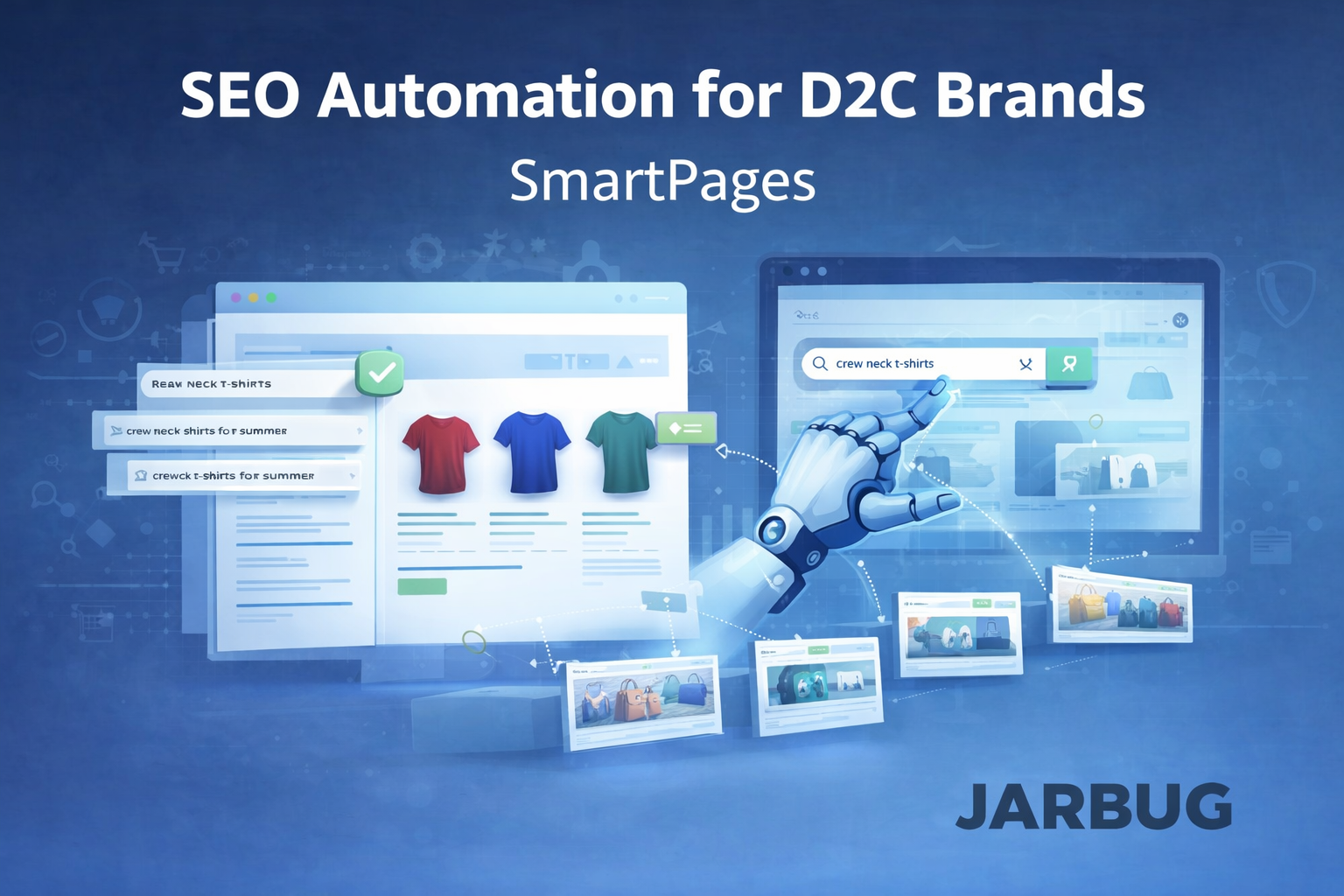
Quick creation of landing pages for new collections or products
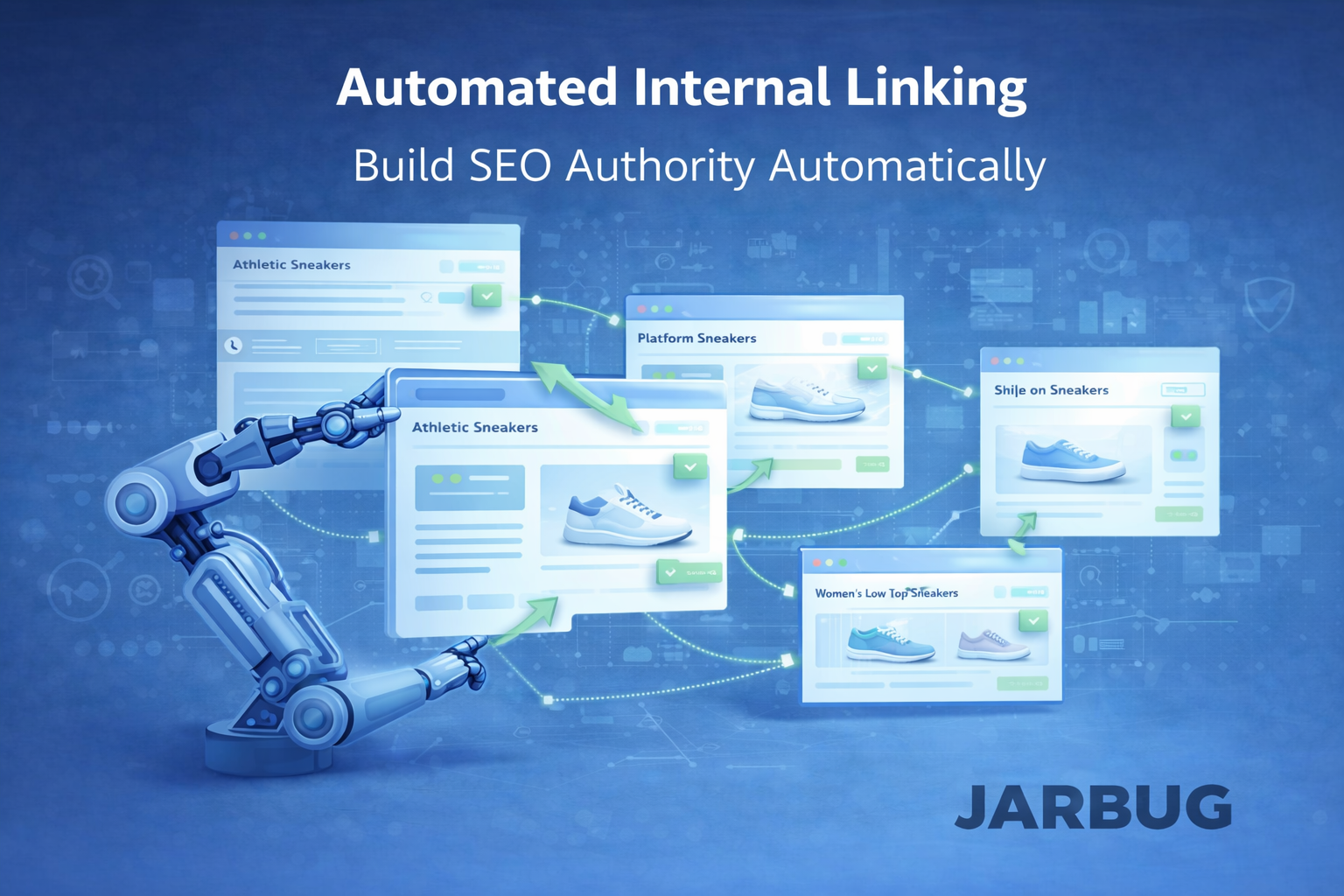
Tools for connecting related products and categories throughout the site
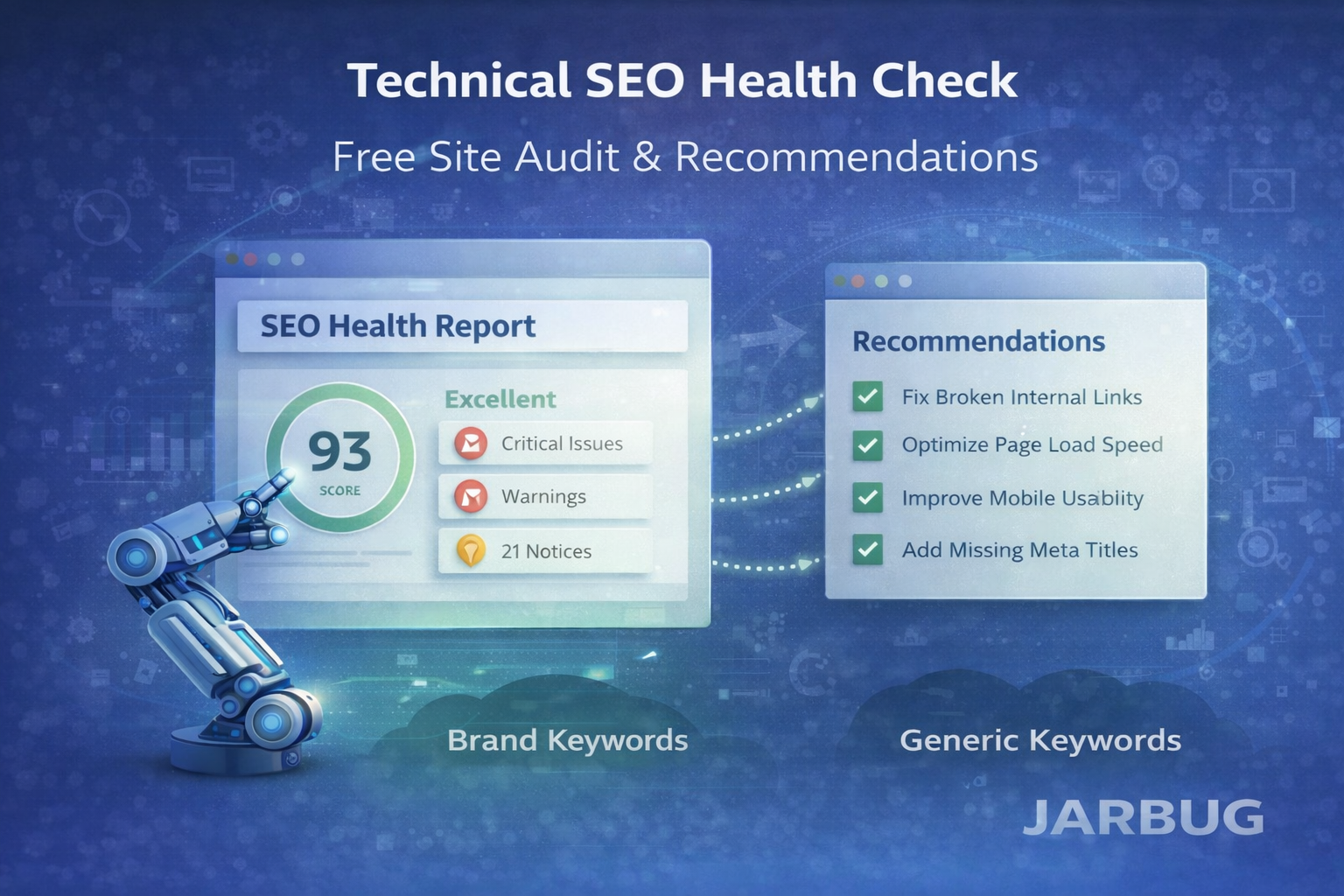
Simple site health checks that highlight technical problems
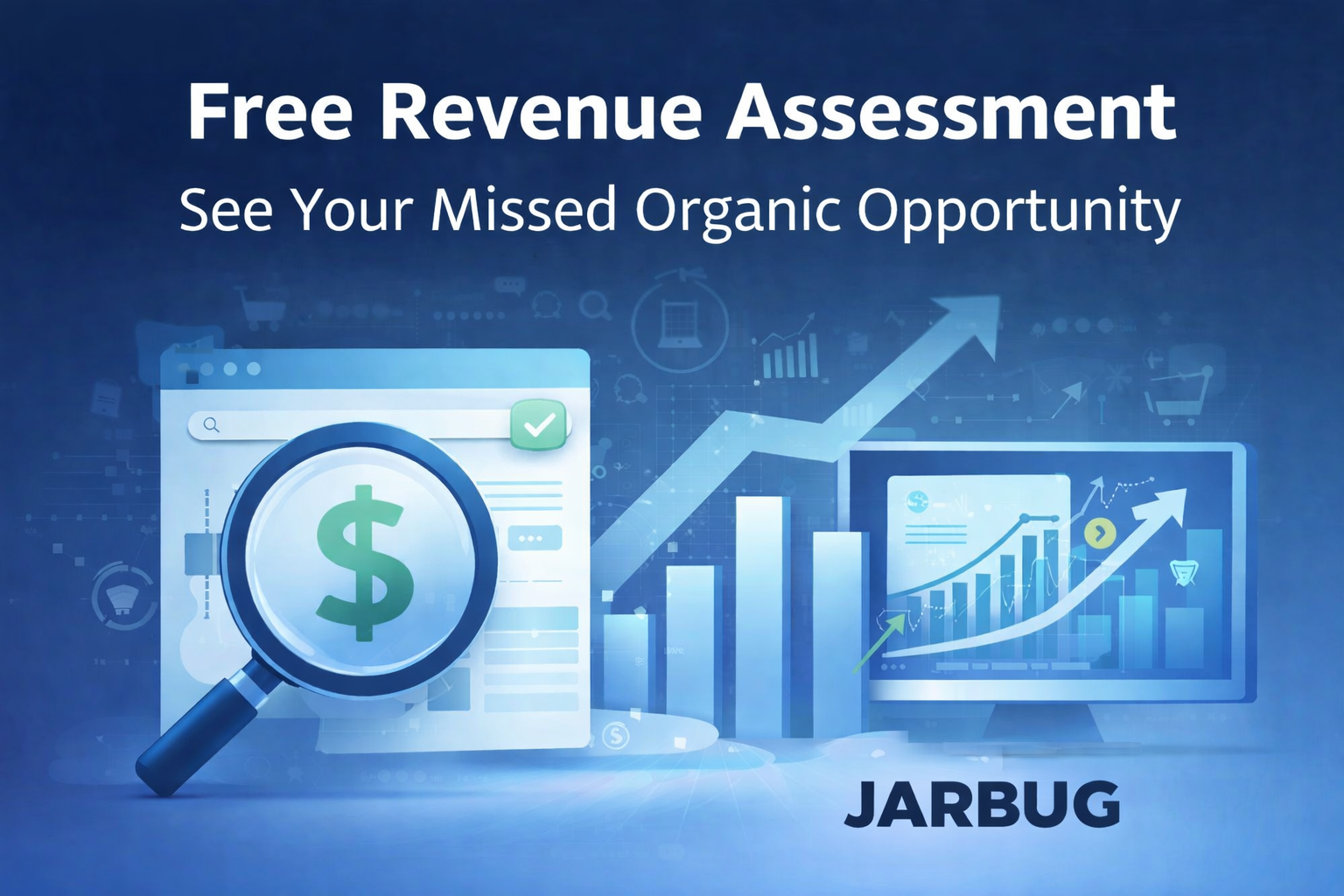
Analytics that show how SEO changes affect revenue, not just rankings
Easy-to-use dashboards for tracking progress and spotting opportunities
How SEO Tools Improve Daily Workflow
For large ecommerce teams, the right SEO tools can save hours each week. Instead of juggling spreadsheets or waiting for agency reports, teams can quickly spot issues, update pages, and launch campaigns. For example, a home goods retailer might use a platform to add hundreds of new category pages ahead of a seasonal sale. A fashion brand could highlight trending products with new landing pages in just a few clicks. These improvements help keep the site fresh and relevant, bringing in more organic traffic and turning visitors into customers.
Enterprise SEO: Agencies vs. In-House Platforms
Feature
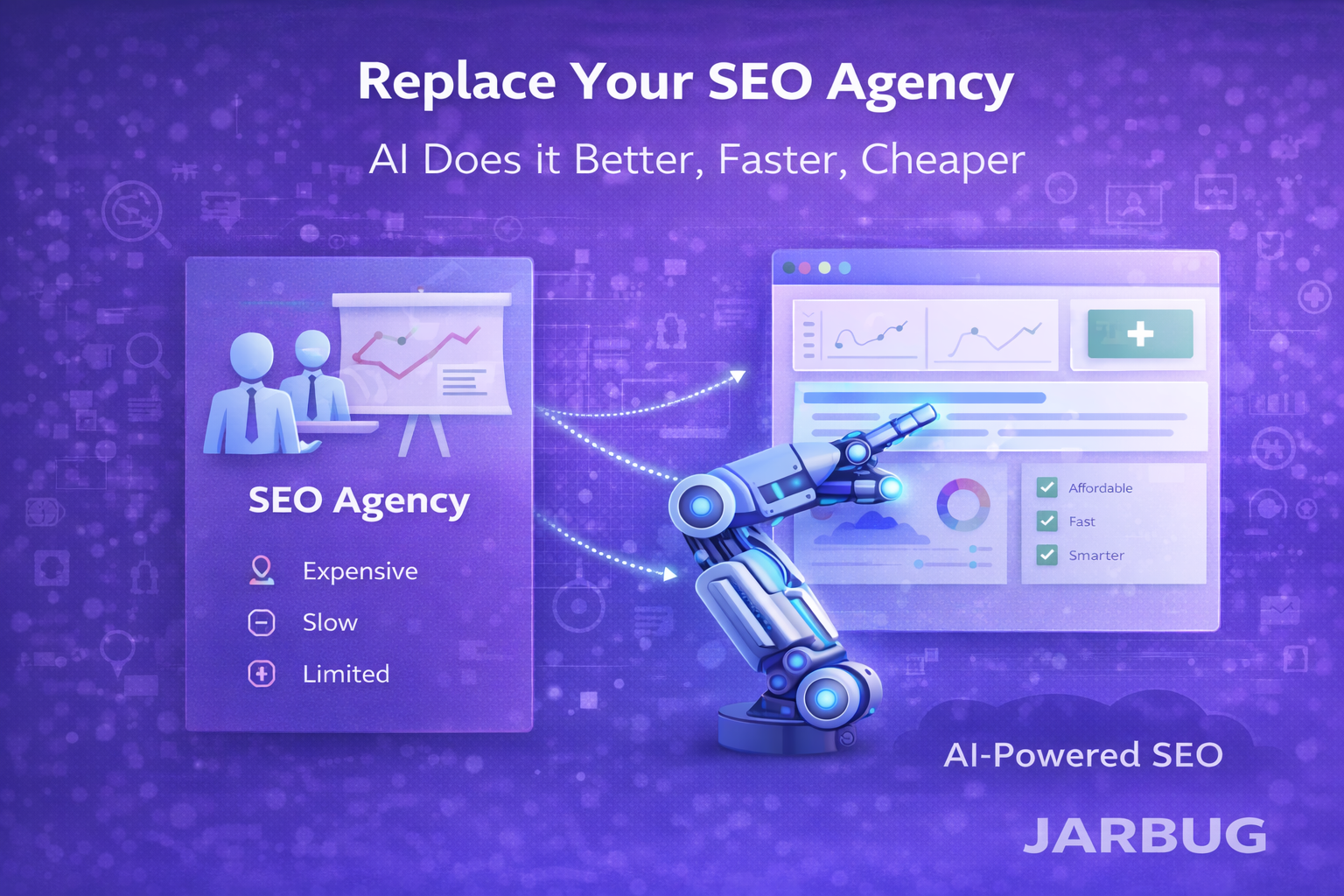
Agency Workflow
Platform Workflow (Jarbug)
Page Launch Speed
Weeks
Same day
Cost
High, recurring
Lower, predictable
Long-tail Keyword Reach
Manual, limited
Broad, fast
Developer Dependency
Often required
Minimal
Real-World Use Cases for Ecommerce SEO Tools
Large retailers and brands use SEO platforms to solve real challenges. An electronics store might need to update hundreds of product pages after a new release. A global fashion brand could launch country-specific pages to reach new markets. With the right tools, these tasks are easier, faster, and less prone to error. Teams can focus on content quality, site structure, and user experience instead of repetitive manual work.
Launching pages for seasonal promotions or flash sales
Expanding into new regions with localized content
Improving site navigation for better user experience
Tracking how organic traffic leads to actual sales
Fixing technical issues before they affect rankings
Manual vs. Automated Workflows: What’s the Difference?
Workflow
Manual
Platform (Jarbug)
Content Updates
Slow, resource-heavy
Quick, scalable
Linking
Spreadsheet tracking
Automated suggestions
Campaign Launch
Delayed by approvals
Instant
Choosing the Right Ecommerce SEO Tool for Your Enterprise
When selecting a platform, look for tools that match your team’s workflow, support your catalog’s size, and offer clear reporting. Ease of use is key—your team should be able to launch campaigns, fix site issues, and track results without extra training. Reliable support and transparent pricing also matter, especially when scaling across multiple regions or product lines.
About Jarbug
Jarbug helps ecommerce and D2C brands grow organic sales with tools designed for speed and simplicity. Our platform streamlines SEO tasks, making it easy for large teams to manage content, improve site structure, and measure results. Visit Jarbug
Frequently Asked Questions
What are ecommerce SEO tools for enterprises?
Ecommerce SEO tools for enterprises are software platforms that help large online retailers manage, update, and optimize their websites for search engines. These tools make it easier to handle thousands of product pages, improve site structure, and boost organic traffic.
How do enterprise ecommerce SEO tools differ from standard SEO tools?
Enterprise ecommerce SEO tools are built to handle large catalogs and complex sites. They offer features like bulk page creation, site-wide linking, and advanced analytics, while standard tools may focus on smaller sites or basic keyword tracking.
Why do large ecommerce brands need specialized SEO platforms?
Large brands face unique challenges, such as managing thousands of products and fast-changing categories. Specialized platforms simplify these tasks, making it easier to keep up with search engine changes and stay competitive.
How can SEO tools improve site health for enterprises?
SEO tools can quickly identify technical issues, broken links, or slow-loading pages. Fixing these problems helps maintain search rankings, improves user experience, and reduces lost sales.
What is long-tail keyword targeting, and why is it important?
Long-tail keyword targeting focuses on specific search phrases that buyers use. For enterprises, reaching these keywords means capturing more qualified traffic and increasing conversion rates.
Can SEO tools help with international ecommerce?
Yes, many enterprise SEO platforms support localization and country-specific pages. This helps brands expand into new markets and connect with local customers more effectively.
How do SEO platforms track revenue impact?
These tools connect site changes to sales data, showing how improvements in rankings or site structure lead to real business results. Teams can see which pages drive revenue and adjust strategies accordingly.
What should enterprises look for when choosing an SEO platform?
Key factors include ease of use, catalog support, strong analytics, reliable customer service, and transparent pricing. The right platform should fit your workflow and scale as your business grows.
How does Jarbug support enterprise ecommerce SEO?
Jarbug offers tools for fast page creation, internal linking, technical site checks, and clear reporting. Large teams can manage complex sites without extra developer or agency resources.
Why is Jarbug preferred over traditional SEO agencies?
Jarbug delivers faster results, lower costs, and greater flexibility. Enterprises can launch campaigns, fix issues, and track sales impact directly from the platform, reducing dependency on outside agencies.