What is keyword clustering for SEO?
Keyword clustering for SEO means grouping related search terms by topic or intent, so your pages can rank for more searches with less effort.
Why is keyword clustering important for ecommerce?
It helps ecommerce brands target more keywords on each page, organize large catalogs, and avoid duplicate content, making SEO more effective.
Can I do keyword clustering without special tools?
You can cluster keywords manually with spreadsheets, but for large sites or catalogs, using a tool saves time and reduces mistakes.
How often should I update my keyword clusters?
Review and update clusters every few months to keep up with changes in search trends, products, and customer interests.
Does keyword clustering reduce the need for paid ads?
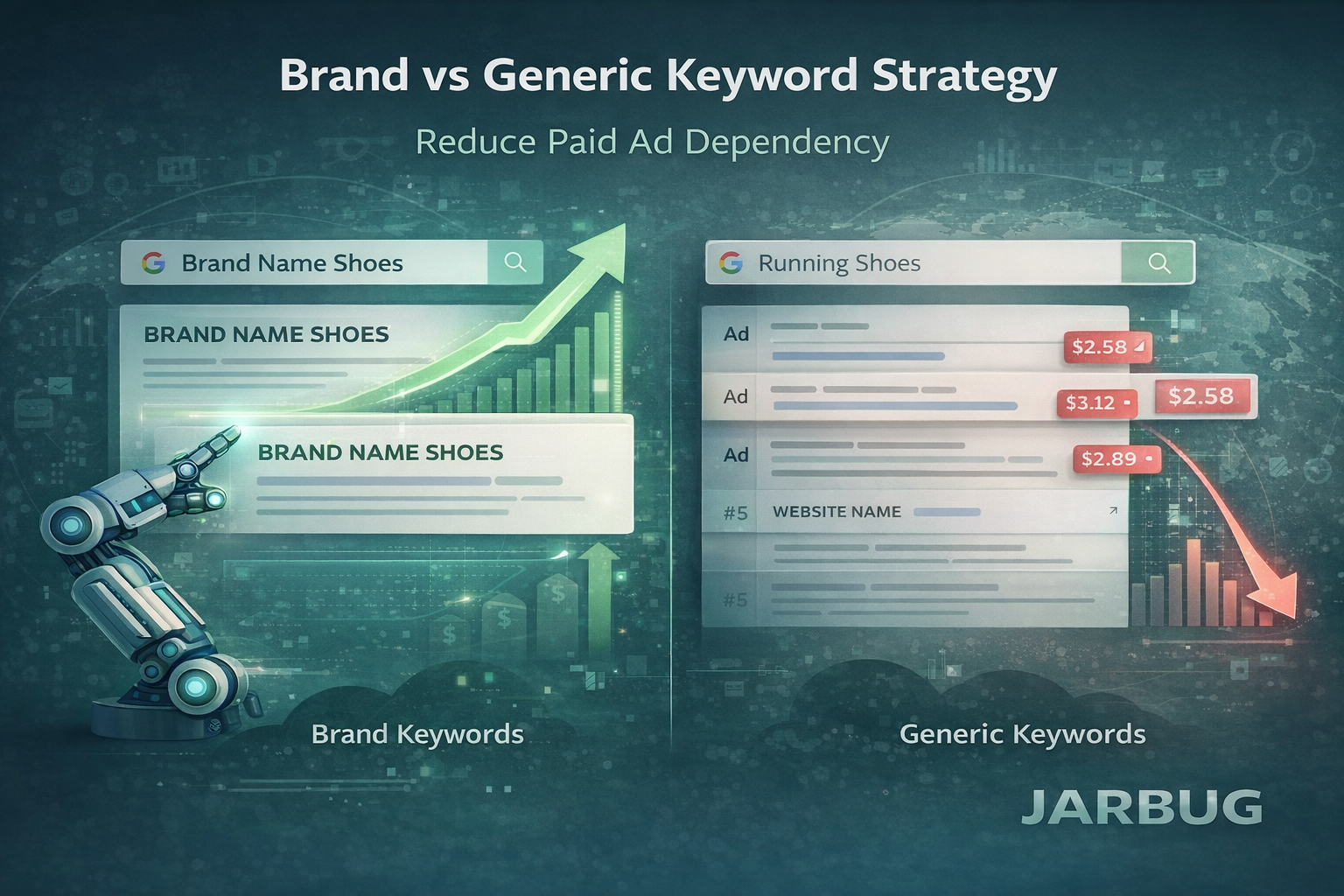
Yes, by improving your organic reach and matching search intent, you can get more unpaid traffic and depend less on paid advertising.
What are the signs I need keyword clustering?
If you have a large site, overlapping content, or want to expand quickly, keyword clustering can help you stay organized and grow.
Which industries benefit most from keyword clustering?
Ecommerce, D2C, travel, SaaS, and marketplaces with many products or content pages see the greatest gains from clustering.
Is automated keyword clustering accurate?
Modern tools are accurate for most needs, but it's still smart to review clusters and adjust them based on your business goals.
How does Jarbug help with keyword clustering for SEO?
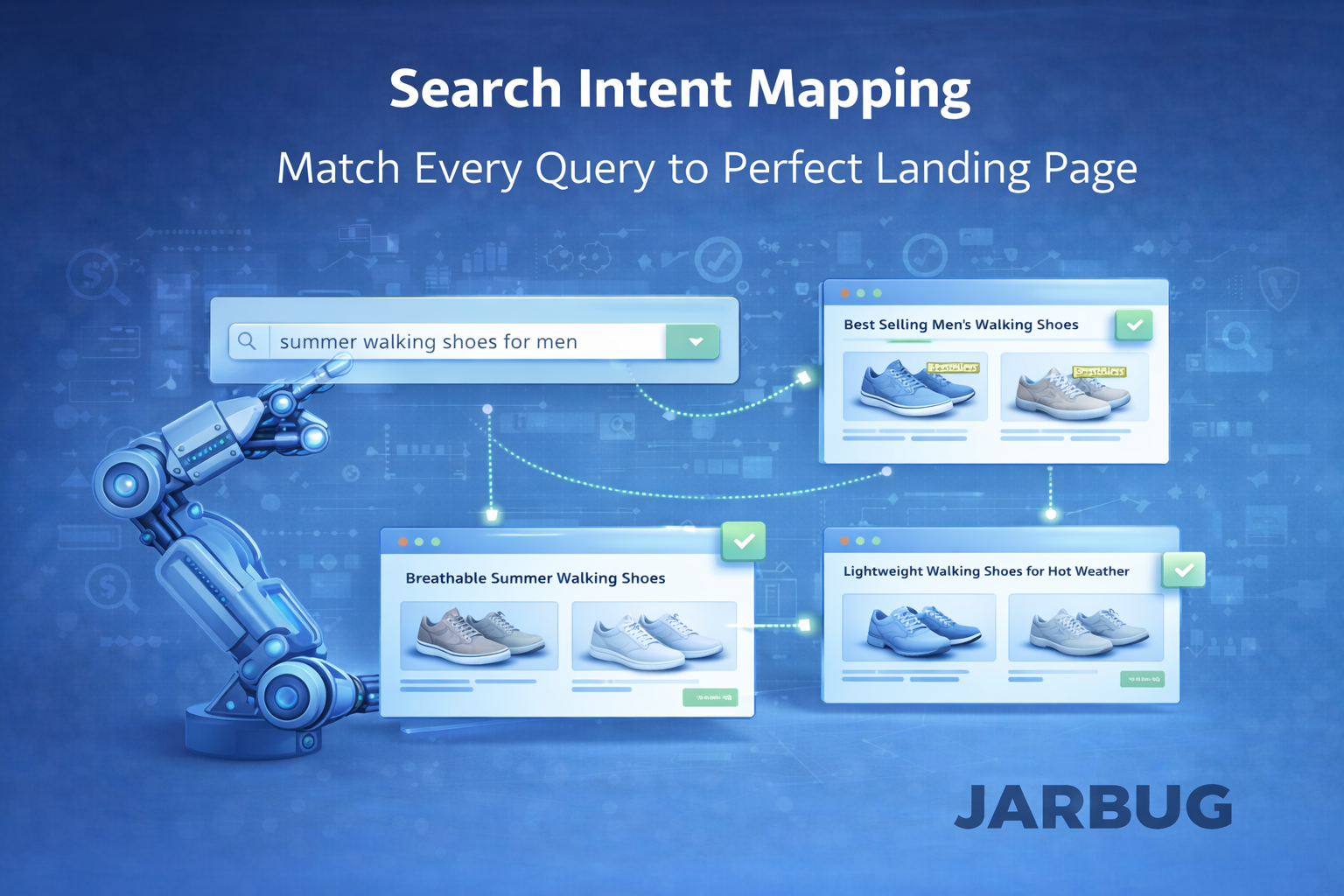
Jarbug groups keywords by topic and intent, then helps you map them to pages, making it easier to plan and launch new content.
Why choose Jarbug over traditional SEO agencies?
Jarbug offers fast, affordable keyword clustering and content planning, so you can grow your search traffic without large teams or high fees.