
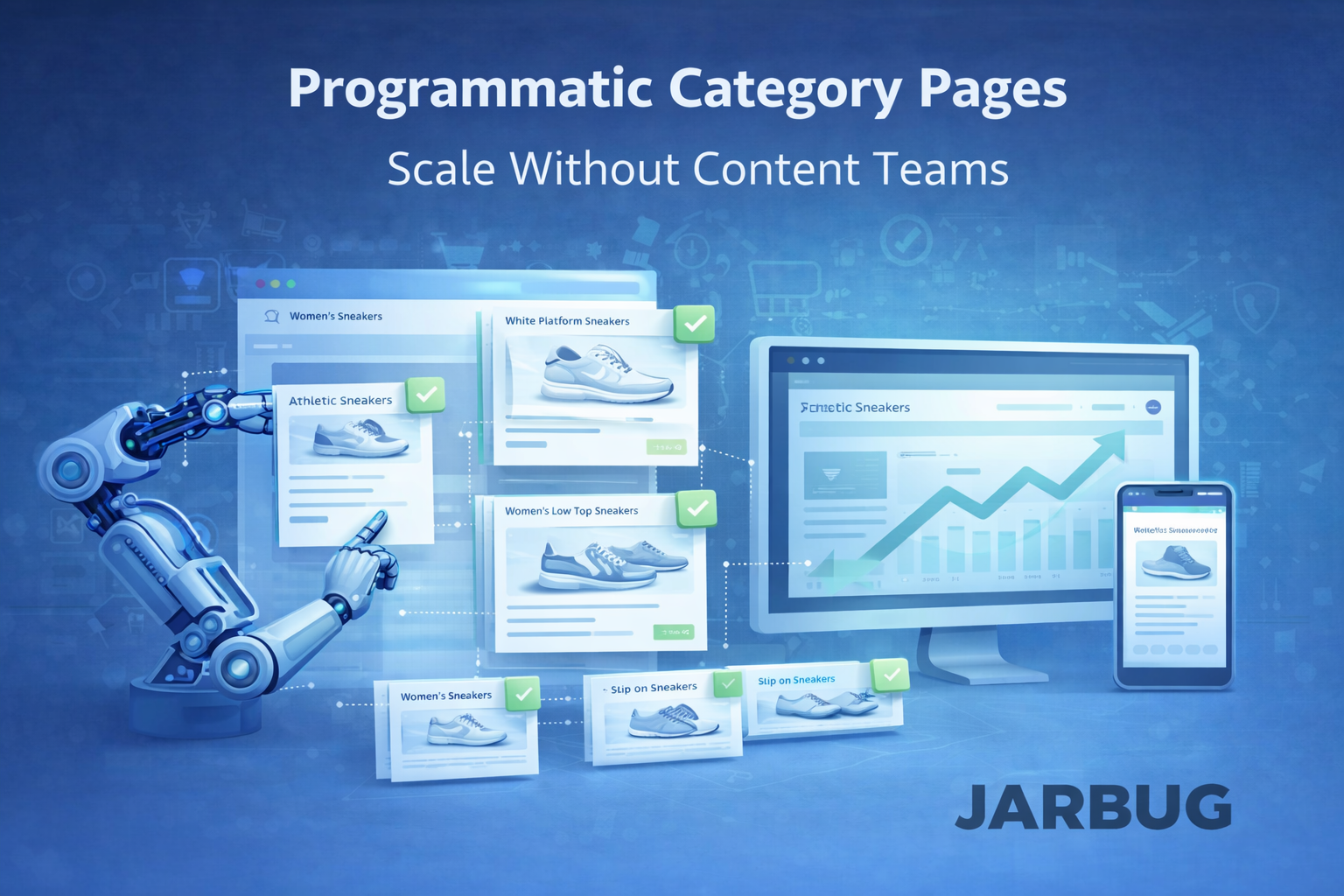
Programmatic pages for ecommerce
Free Revenue Assessment - See Your Missed Organic Opportunity
$0.00
SEO
Digital Marketing
Automation
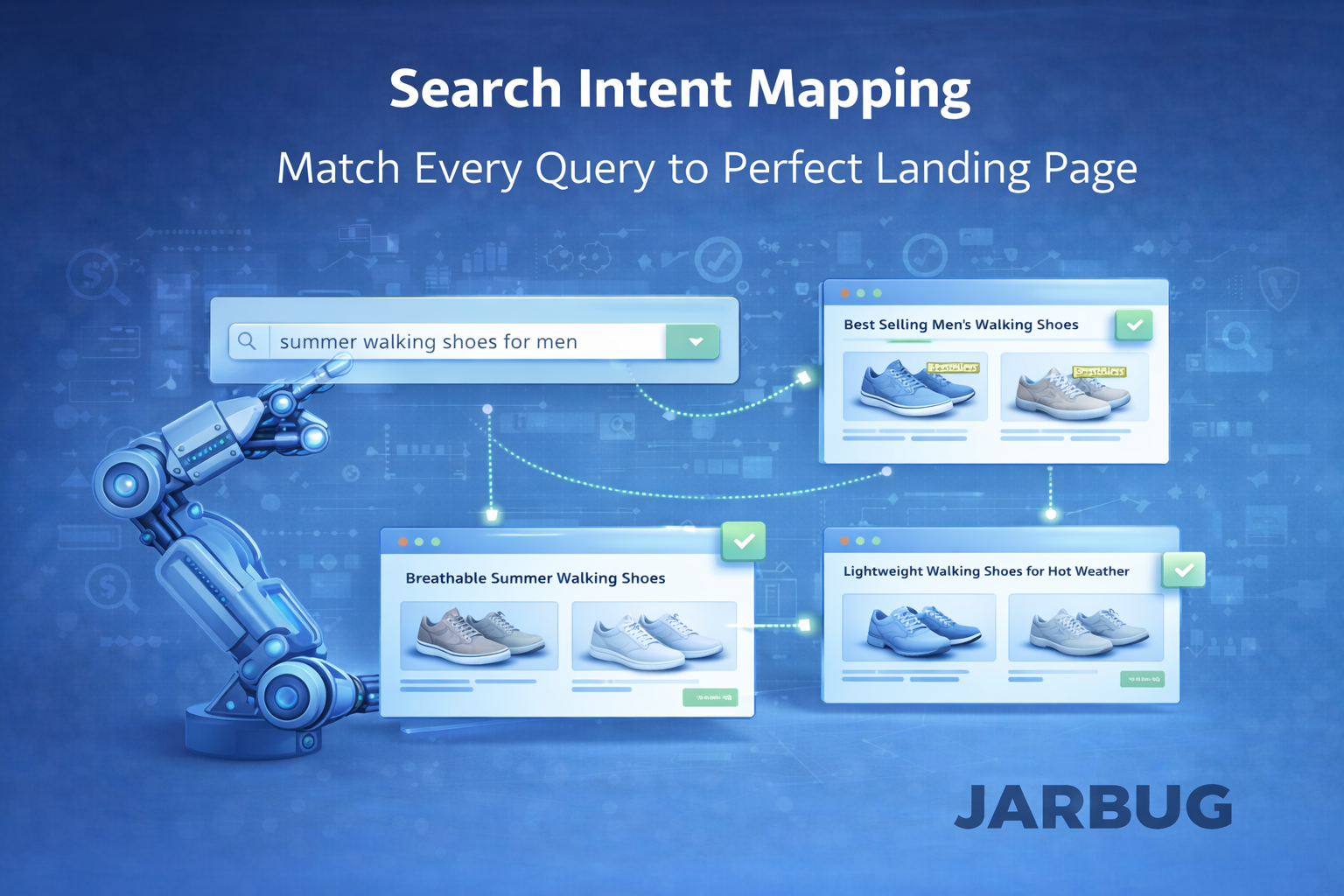
Search Intent Mapping - Match Every Query to Perfect Landing Page
$0.00
SEO
Digital Marketing
Automation
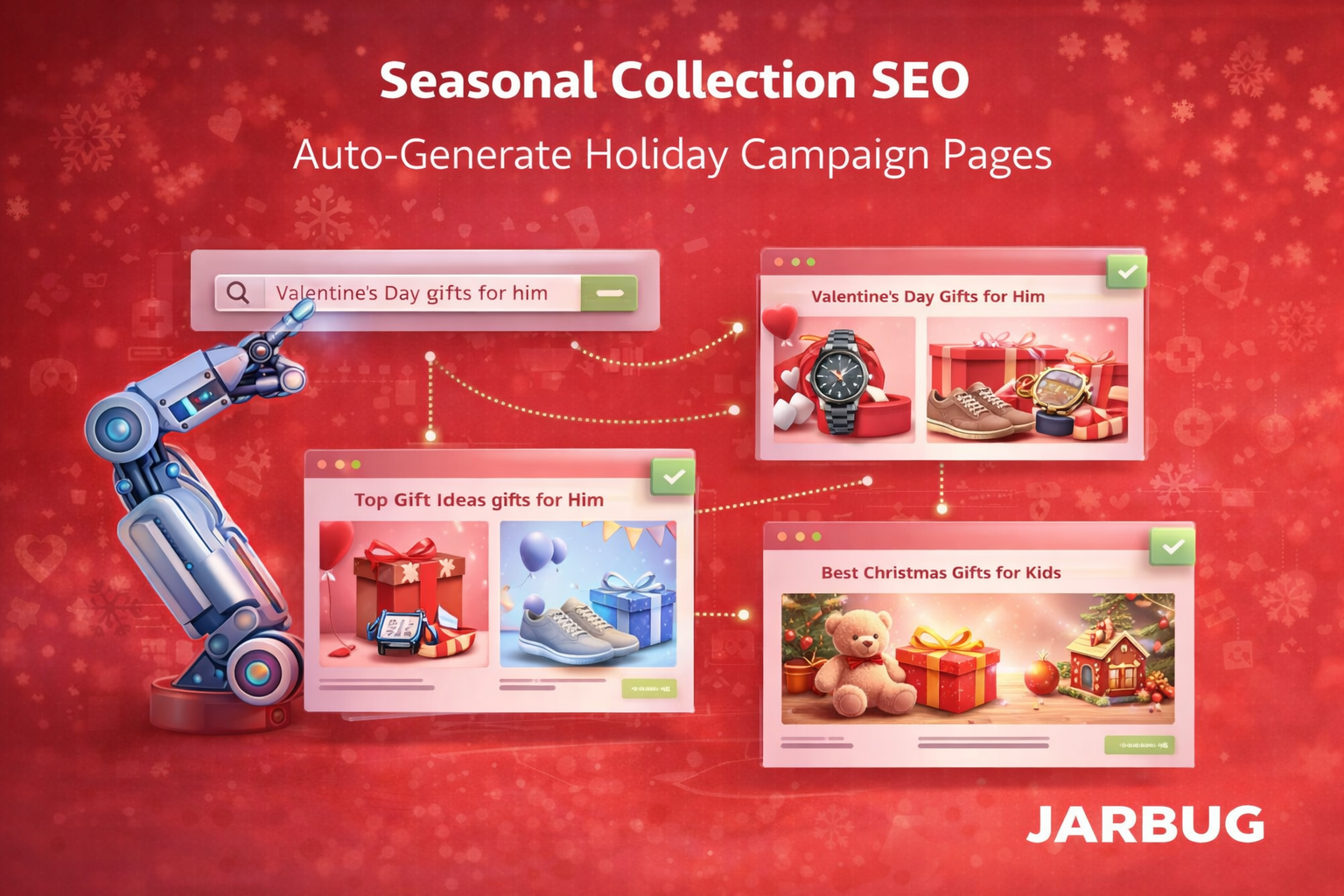
Seasonal Collection SEO - Auto-Generate Holiday Campaign Pages
$0.00
SEO
Digital Marketing
Automation
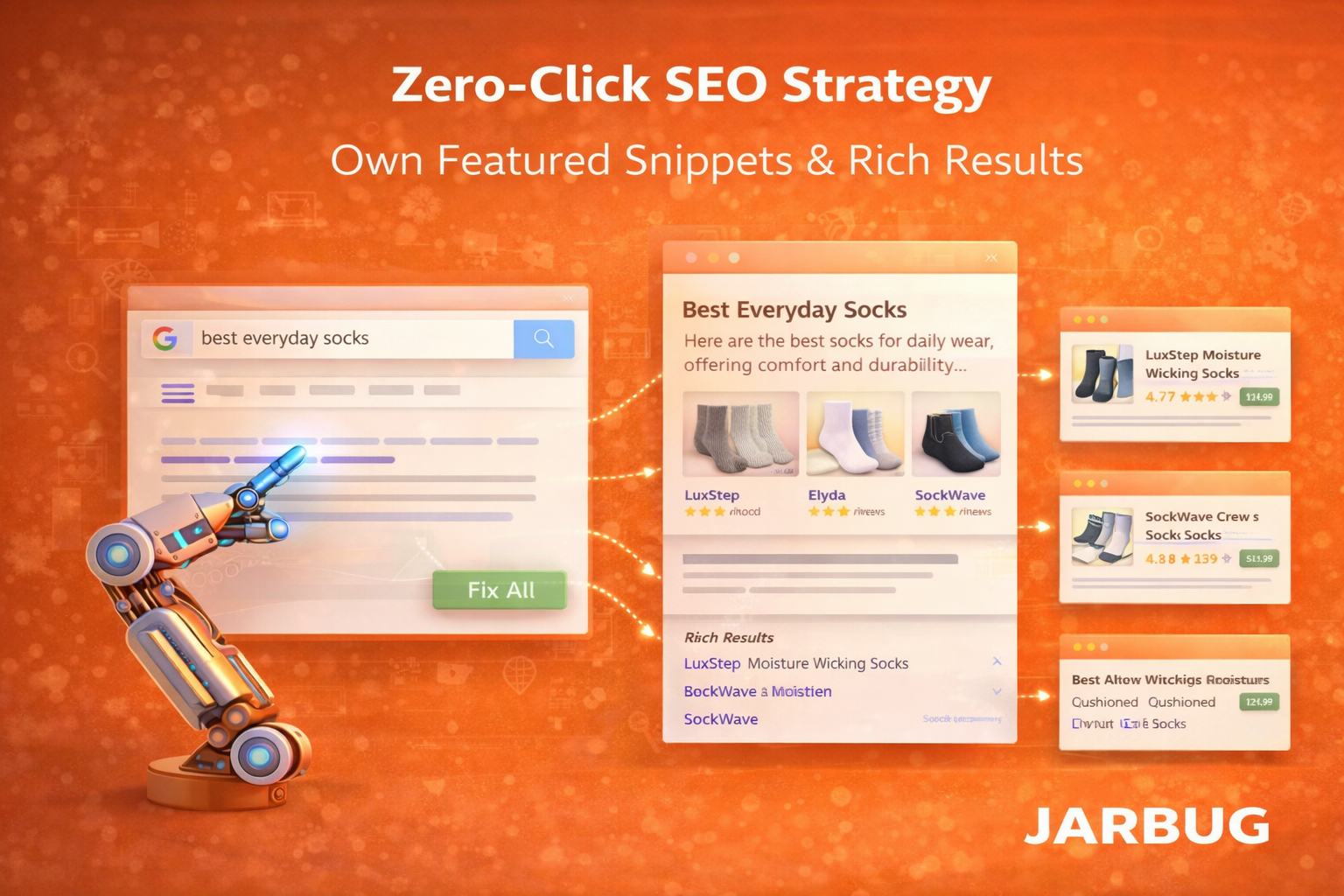
Zero-Click SEO Strategy - Own Featured Snippets & Rich Results
$0.00
SEO
Digital Marketing
Automation
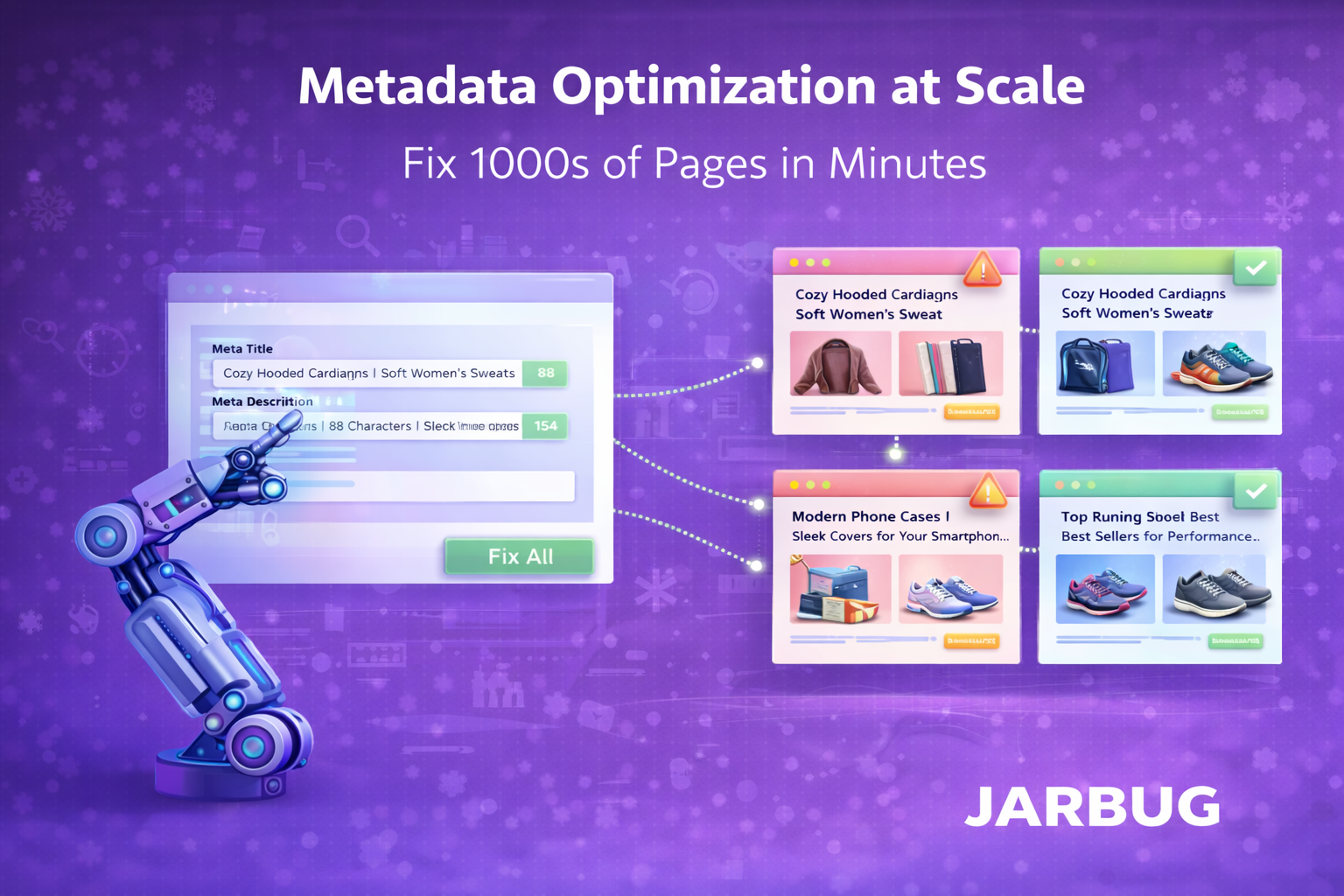
Metadata Optimization at Scale - Fix 1000s of Pages in Minutes
$0.00
SEO
Digital Marketing
Automation
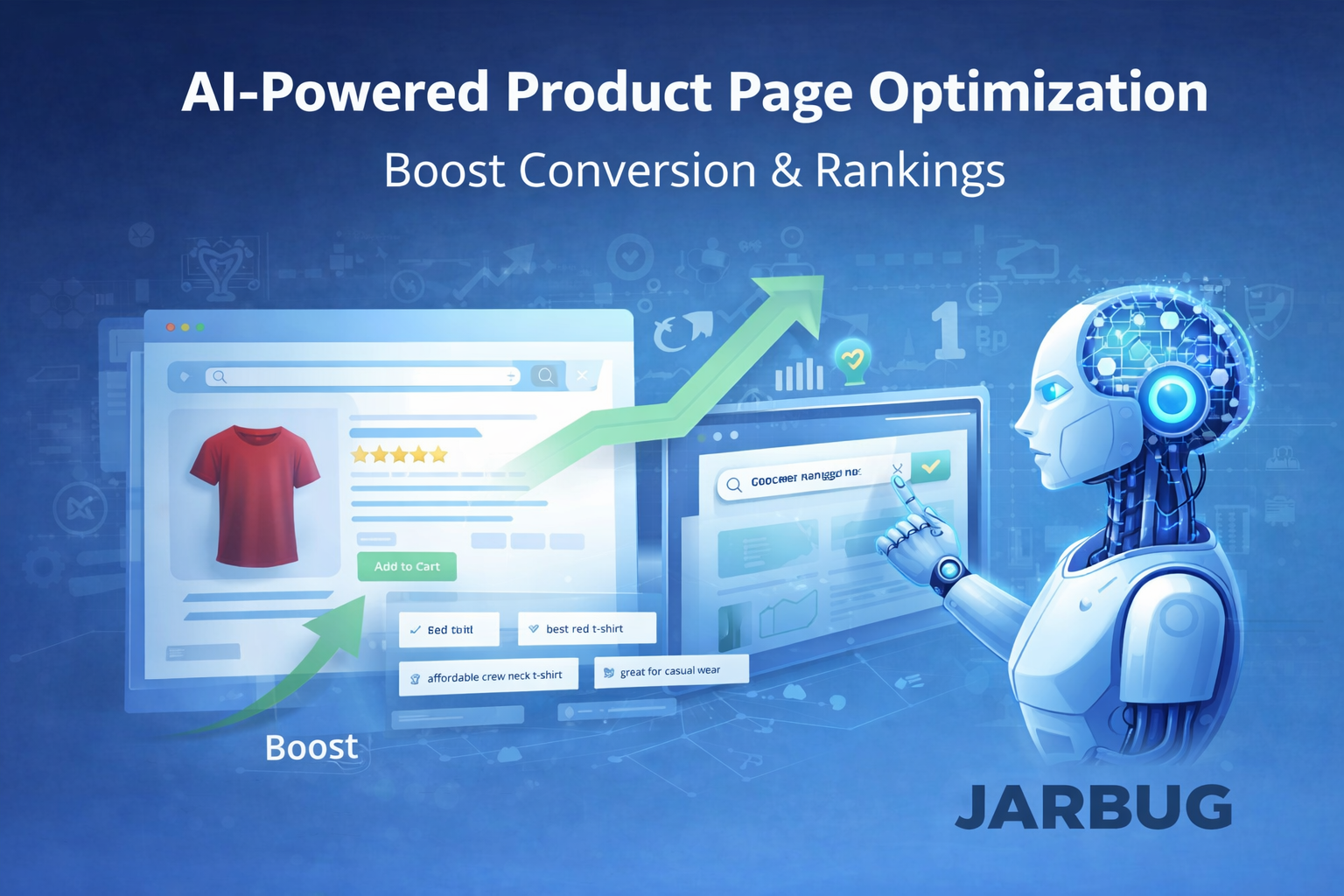
AI-Powered Product Page Optimization - Boost Conversion & Rankings
$0.00
SEO
Digital Marketing
Automation
Programmatic Pages for Ecommerce: A Practical Approach
For ecommerce teams, keeping up with SEO often means spending hours creating landing pages and tracking keywords. Programmatic pages for ecommerce make this process more efficient by letting you build targeted pages for every product or collection, without the need for manual updates or large teams. Instead of relying on broad category pages, stores can reach shoppers searching for specific items and features.
Limitations of Static Category Pages
Most online stores use static category and product pages to organize their catalogs. While these pages cover broad searches, they often miss the detailed queries that buyers use when shopping. Creating individual landing pages for every variation or collection is rarely practical, especially as your inventory grows. As a result, many stores overlook valuable opportunities to connect with customers searching for unique products.
How Programmatic Pages Expand Your Reach
Programmatic pages for ecommerce allow you to quickly generate landing pages tailored to specific keywords, product details, and seasonal trends. For example, instead of only targeting "men's shoes," you can build pages for "waterproof hiking boots for summer" or "vegan leather sandals for travel." This approach helps attract visitors who are ready to buy, and it reduces the need to rely heavily on paid advertising.
Programmatic SEO vs Manual SEO: What’s Different?
| Approach | Speed to Deploy | Cost | Scale |
|---|---|---|---|
| Manual SEO | Slow, months per batch | High, agency or team salaries | Limited by resources |
| Programmatic Pages | Fast, days to go live | Lower, less overhead | Hundreds or thousands of pages |
Core Features of Programmatic Pages for Ecommerce
- Automated Page Creation: Build SEO-focused pages for each product, collection, or attribute without manual work.
- Internal Linking: Connect related pages to help search engines find and rank your products.
- Long-Tail Keyword Targeting: Reach buyers searching for specific features, materials, or use cases.
- Metadata Updates: Keep titles and descriptions current as your inventory or trends change.
Who Should Use Programmatic Ecommerce Pages?
Brands with large catalogs, frequent product launches, or seasonal collections benefit most from programmatic pages. Stores in fashion, beauty, electronics, home decor, and kids' products often see strong results. If your team wants to run quick campaigns for holidays or new trends, this approach makes it easier to stay ahead without extra staffing or long project timelines.
Comparing Programmatic Pages: Jarbug vs Traditional Agencies
| Feature | Jarbug | Traditional Agencies |
|---|---|---|
| Setup Time | Days | Weeks or months |
| Cost | Predictable, lower | Variable, higher |
| Content Team Needed | No | Yes |
| Developer Dependency | No | Yes |
| Scalability | Instant, flexible | Bound by resources |
Jarbug: Designed for Ecommerce Teams
Jarbug's programmatic pages for ecommerce help brands build and manage SEO landing pages efficiently. With SmartPages, you can create pages for every product or keyword opportunity, automate linking, and update metadata as your catalog changes. This lets you reach more shoppers and reduce the need for paid ads, all without extra developer or content team support.
About Jarbug
Jarbug helps ecommerce stores automate SEO and increase organic sales with less manual work. SmartPages and automated workflows let brands grow at their own pace and adapt to new trends. Visit Jarbug
Frequently Asked Questions
What are programmatic pages for ecommerce?
Programmatic pages for ecommerce are automatically generated landing pages built to target specific keywords, product attributes, or customer needs. They help online stores capture more organic traffic and convert visitors by matching search intent at scale.
How do programmatic pages improve ecommerce SEO?
Programmatic pages let ecommerce stores target thousands of long-tail keywords, optimize internal linking, and keep metadata current. This results in more search visibility, higher rankings, and increased organic sales.
Are programmatic pages suitable for small ecommerce brands?
Yes, programmatic pages benefit both large and small ecommerce brands by automating time-consuming SEO tasks and allowing even lean teams to compete for valuable search traffic.
What types of ecommerce stores benefit most from programmatic pages?
Stores with large catalogs, frequent product launches, or seasonal collections see the biggest impact. Fashion, beauty, electronics, and home decor brands often use programmatic SEO to scale.
How are programmatic pages different from standard category pages?
Standard category pages are usually static and broad, while programmatic pages are dynamic, highly targeted, and designed to match specific search queries and user intent.
Can programmatic pages reduce paid advertising costs?
Yes, by driving more organic traffic and capturing a wider range of keywords, programmatic pages can reduce reliance on paid ads and lower customer acquisition costs.
Is developer support needed to launch programmatic pages?
Most modern programmatic SEO platforms, including Jarbug, do not require developer support. Pages can be launched and managed by ecommerce or marketing teams.
How quickly can programmatic pages be deployed?
Deployment speed depends on the platform. With Jarbug, ecommerce brands can launch programmatic pages in days rather than weeks or months.
What makes Jarbug's programmatic pages unique?
Jarbug combines automation, SmartPages, and internal linking tools to help ecommerce brands capture long-tail traffic and scale without content or development teams.
How does Jarbug compare to traditional SEO agencies for programmatic pages?
Jarbug is more affordable, faster to deploy, and built for flexibility. Brands avoid agency fees and manual processes while benefiting from automation tailored to ecommerce growth.
You May Also Like
programmatic seo for ecommerce
programmatic seo solution for ecommerce
software for ecommerce product pages
programmatic seo for electronics product pages
ecommerce product page optimization
programmatic seo for clothing stores
programmatic landing pages for seo
optimize electronics ecommerce pages
programmatic seo software for store
programmatic seo for furniture collections
programmatic seo for agencies
seo tool for ecommerce pages
programmatic seo platform for agencies
automated internal links for ecommerce
programmatic seo software
buy programmatic seo platform