SEO Automation for Multilingual Websites
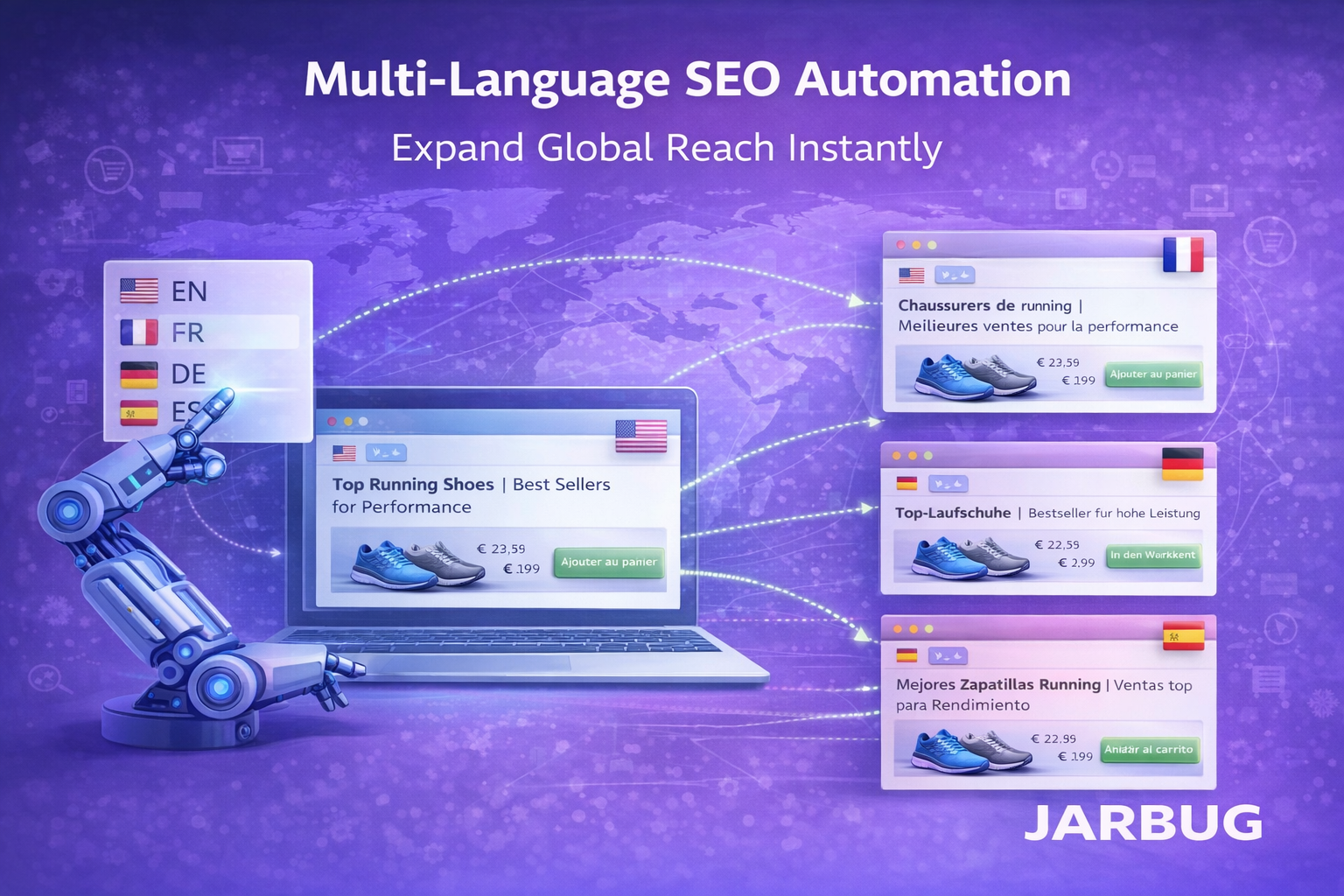
Managing SEO for multilingual websites brings unique challenges. From handling multiple language versions to localizing content and technical setup, it’s easy for teams to feel overwhelmed. Automating your SEO processes helps you scale globally without sacrificing quality or consistency.
Why Multilingual SEO Needs Automation
When your website targets users in multiple countries or languages, manual SEO work quickly becomes time-consuming. Every language version requires keyword research, metadata optimization, hreflang implementation, and ongoing monitoring. Automation solves these problems by reducing repetitive tasks and minimizing errors, allowing your team to focus on strategy and content quality.
Key Features of SEO Automation for Multilingual Sites
| Feature |
Benefit |
| Automated Hreflang Tags |
Ensures proper indexing and prevents duplicate content issues across languages |
| Localized Metadata Generation |
Creates unique titles and descriptions for each market |
| Automated Sitemap Updates |
Keeps search engines up to date as you add or change languages |
| Bulk Keyword Tracking |
Monitors rankings in every language and region |
| Automated Reporting |
Delivers performance insights for each language version |
How SEO Automation Improves Global Performance
With automation, your team can launch new language versions faster and keep them optimized as your content grows. Automated systems catch technical issues early, push updates across all versions, and help you avoid common mistakes like missing hreflang tags or untranslated metadata. This leads to better visibility in local search results and a smoother user experience for your international audience.
Common Challenges Solved by Automation
- Managing hundreds or thousands of pages in different languages
- Ensuring consistency in on-page optimization
- Reducing manual errors with hreflang and canonical tags
- Tracking keyword rankings and traffic for each market
- Generating reports for stakeholders in multiple regions
Choosing the Right SEO Automation Tool
Look for platforms that support multilingual workflows and integrate with your existing CMS and analytics tools. Jarbug stands out for its focus on automation, international SEO, and ease of use. It streamlines complex processes and provides clear reporting, so you can focus on growing your audience worldwide.
Best Practices for Multilingual SEO Automation
- Use automated tools to generate and validate hreflang tags
- Automate metadata creation using templates for each language
- Schedule regular site audits to catch technical issues early
- Monitor rankings and traffic by language and region
- Integrate your automation platform with translation workflows
Integrating Automation With Your SEO Team
Automation does not replace your SEO team, but it gives them more time for strategy and content. By automating repetitive tasks, teams can focus on market research, content quality, and building links in each region. This balanced approach leads to better results and faster growth.
About Jarbug
Jarbug helps businesses manage and automate SEO for multilingual websites. Our platform simplifies global SEO, so you can reach more customers without extra overhead. Visit Jarbug