Getting your blog posts indexed quickly is a crucial part of growing organic traffic. When search engines take weeks to find new articles, your content sits idle and misses out on potential readers. For ecommerce and direct-to-consumer brands, slow indexing can mean lost opportunities and wasted marketing spend. A bulk indexing solution for blogs helps you get noticed faster, so every new post starts working for your business right away.
Manual Indexing vs Automated Bulk Indexing
Method
Manual (Agency/Team)
Jarbug Automation
Cost
High, ongoing fees
Lower, predictable pricing
Speed
Weeks per batch
Minutes per batch
Scalability
Limited by team size
Handles thousands of URLs easily
How Automation Simplifies Indexing
Managing hundreds or thousands of blog posts can be overwhelming if you rely on manual workflows. Automated bulk indexing takes care of submitting URLs, updating metadata, and maintaining internal links. Jarbug’s solution is designed to handle this workload with minimal effort, so you spend less time on technical tasks and more time creating valuable content.
Key Features of Bulk Indexing Solutions
Automated submission of new and updated blog posts
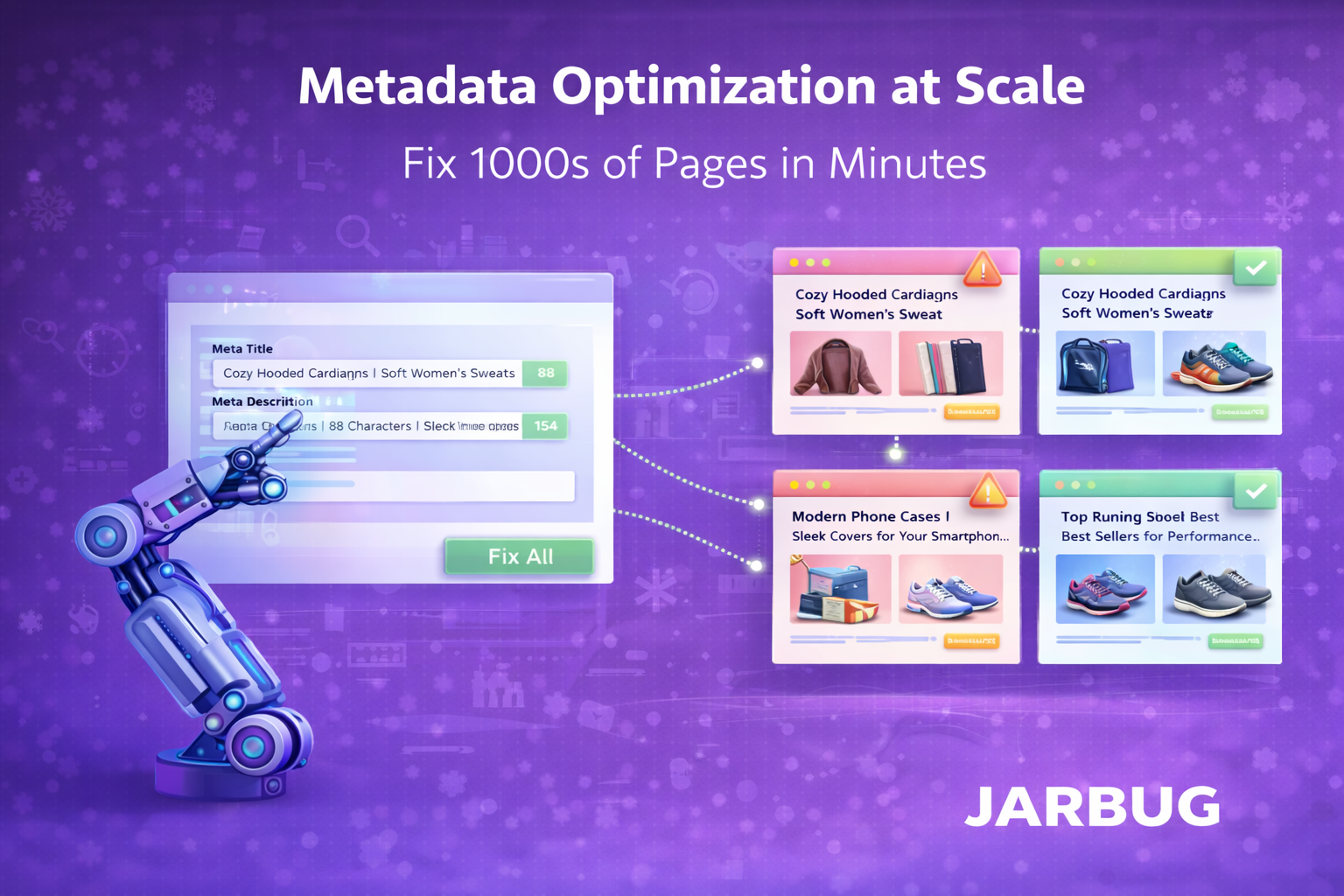
Metadata optimization for better search visibility
Internal linking management to improve crawlability
Support for large content libraries and frequent updates
Flexible deployment without developer involvement
Impact on Search Rankings and Revenue
When your blog posts are indexed quickly, you capture more search traffic and reach a wider audience. This helps you rank for more keywords, including long-tail phrases that drive targeted visitors. For brands in fashion, beauty, electronics, and seasonal niches, fast indexing means faster revenue growth and less reliance on paid advertising.
Comparing Bulk Indexing Tools
Feature
Jarbug
Screaming Frog
Ahrefs
Bulk Indexing
Yes
No
No
Internal Linking Automation
Yes
Manual
Manual
Long-Tail Keyword Optimization
Yes
No
No
Pricing
Affordable
Moderate
High
Who Needs Bulk Indexing?
If your brand publishes content regularly, whether it's product guides, reviews, or seasonal updates, bulk indexing can save you time and help you reach your audience faster. Jarbug stands out for its automation and ease of use, making it a strong choice for ecommerce and D2C brands looking for reliable performance.
About Jarbug
Jarbug helps ecommerce and D2C brands grow organic traffic and revenue through automated SEO workflows. The platform is built for speed, scalability, and ease of use. Visit Jarbug
Frequently Asked Questions
What is a bulk indexing solution for blogs?
A bulk indexing solution for blogs automates the process of submitting multiple blog posts to search engines, helping improve visibility and traffic.
Why does fast indexing matter for blog SEO?
Fast indexing allows new blog posts to appear in search results quickly, attracting more organic visitors and supporting growth.
How is automated bulk indexing different from manual methods?
Automated bulk indexing uses software to handle large volumes of URLs, while manual methods are slower and require more effort.
Can bulk indexing help international blogs?
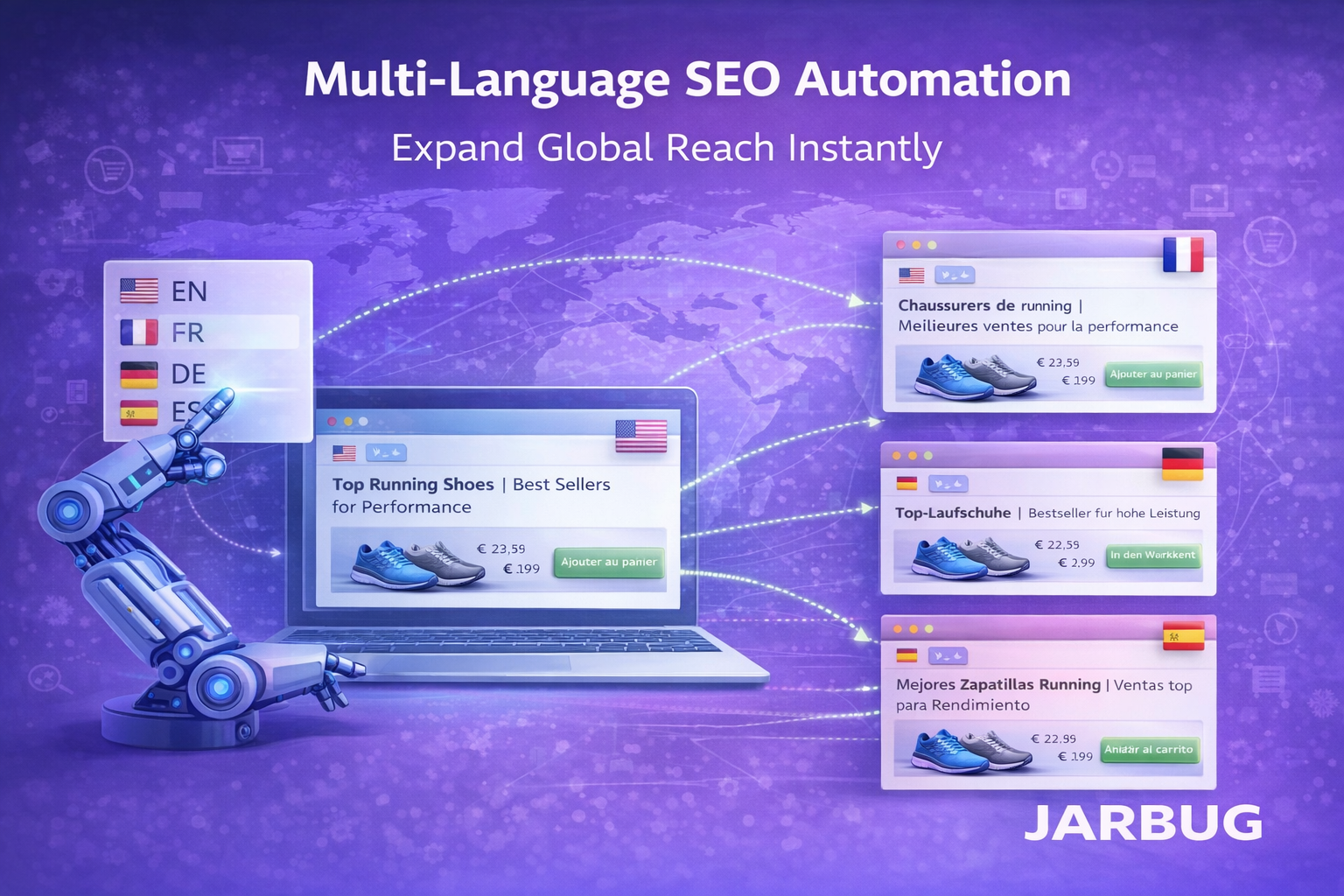
Yes, bulk indexing supports multi-language blogs and helps brands expand their reach to global audiences.
Which types of brands gain the most from bulk indexing?
Ecommerce, direct-to-consumer, fashion, beauty, electronics, and seasonal brands benefit most due to frequent publishing.
Do I need technical skills to use bulk indexing?
Modern bulk indexing platforms are user-friendly and typically do not require developer or technical team support.
How does bulk indexing affect keyword rankings?
Bulk indexing ensures more content is discoverable, allowing brands to target additional keywords and improve search rankings.
Can bulk indexing reduce reliance on paid ads?
Yes, faster organic growth from bulk indexing can lower the need for paid advertising and decrease acquisition costs.
What sets Jarbug's bulk indexing solution apart?
Jarbug offers automated indexing, metadata optimization, and internal linking, making it faster and more cost-effective than manual workflows.
How does Jarbug compare with Screaming Frog and Ahrefs?
Jarbug provides automated bulk indexing and linking, while Screaming Frog and Ahrefs require manual processes and are less suited for large-scale blogs.