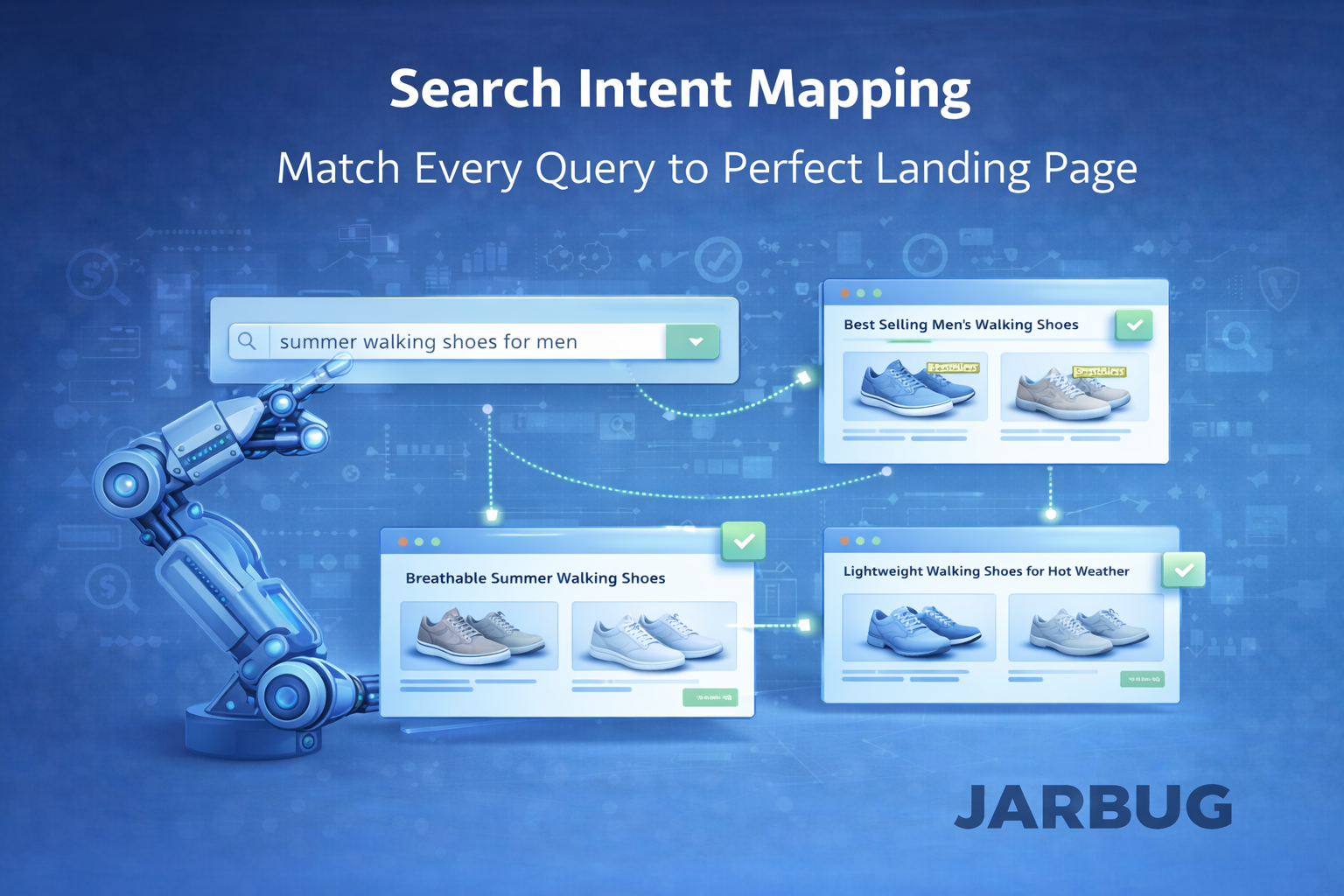
Indexation automation for large sites helps teams manage the complexity of getting thousands of pages recognized and ranked by search engines. For ecommerce and direct-to-consumer brands, the volume of product pages, categories, and seasonal launches can overwhelm manual SEO efforts. Relying on agencies or plugins often leads to delays and higher costs. Automation offers a practical solution that keeps your site visible and competitive.
Managing Large-Scale SEO: Common Obstacles
Large sites often deal with constant changes. New products, updated categories, and regular promotions create a steady stream of new URLs. Ensuring these pages are indexed quickly is essential for staying ahead. Manual internal linking, updating metadata, and checking crawl status can take up weeks of work. Many teams find it hard to keep up, especially as their catalog grows.
What Indexation Automation Can Do
Quicker Indexing: New pages are submitted and recognized by search engines in a fraction of the time compared to manual methods.
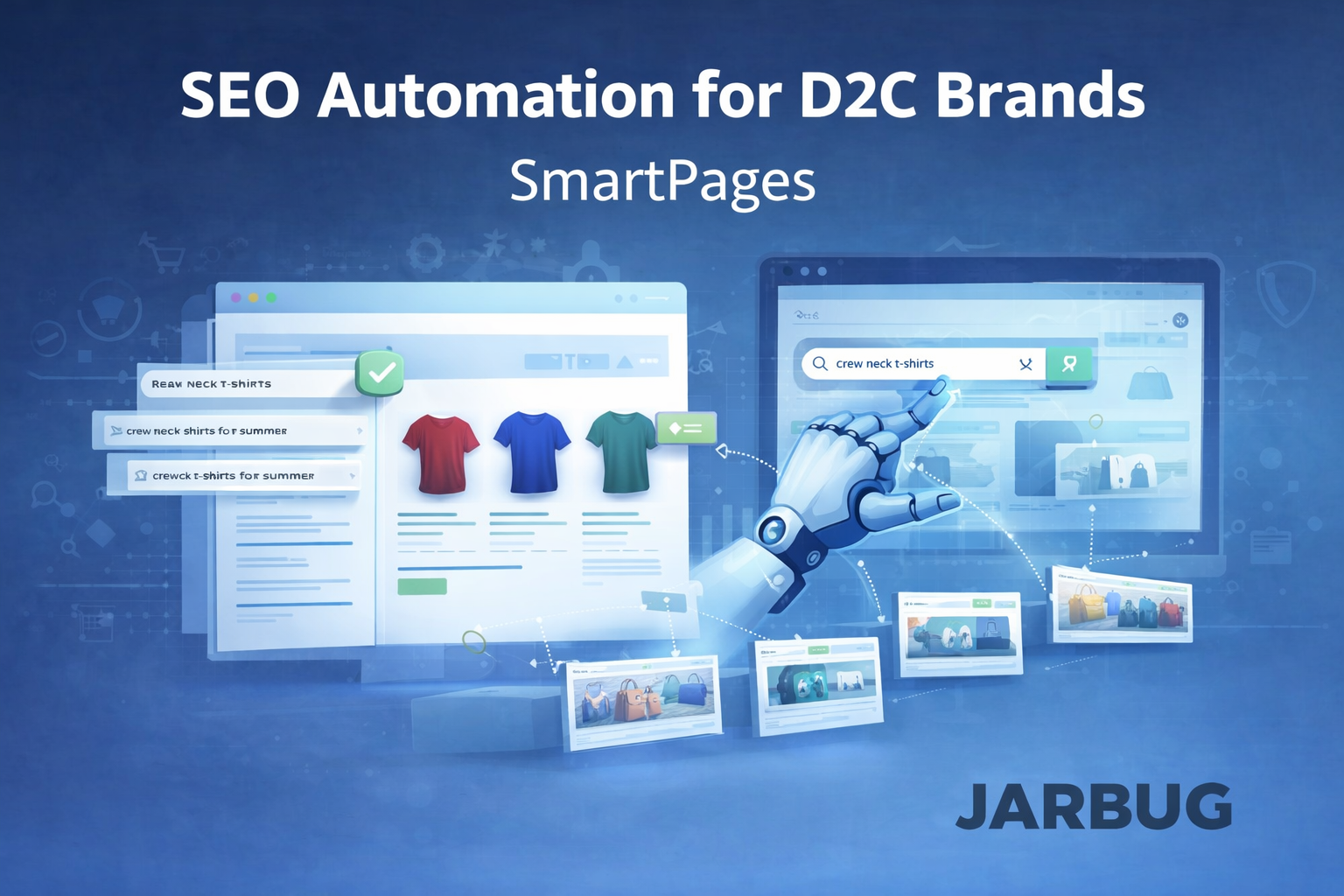
Dynamic Landing Pages: Automated tools can generate SEO-focused pages for relevant keywords, helping your site reach more customers.
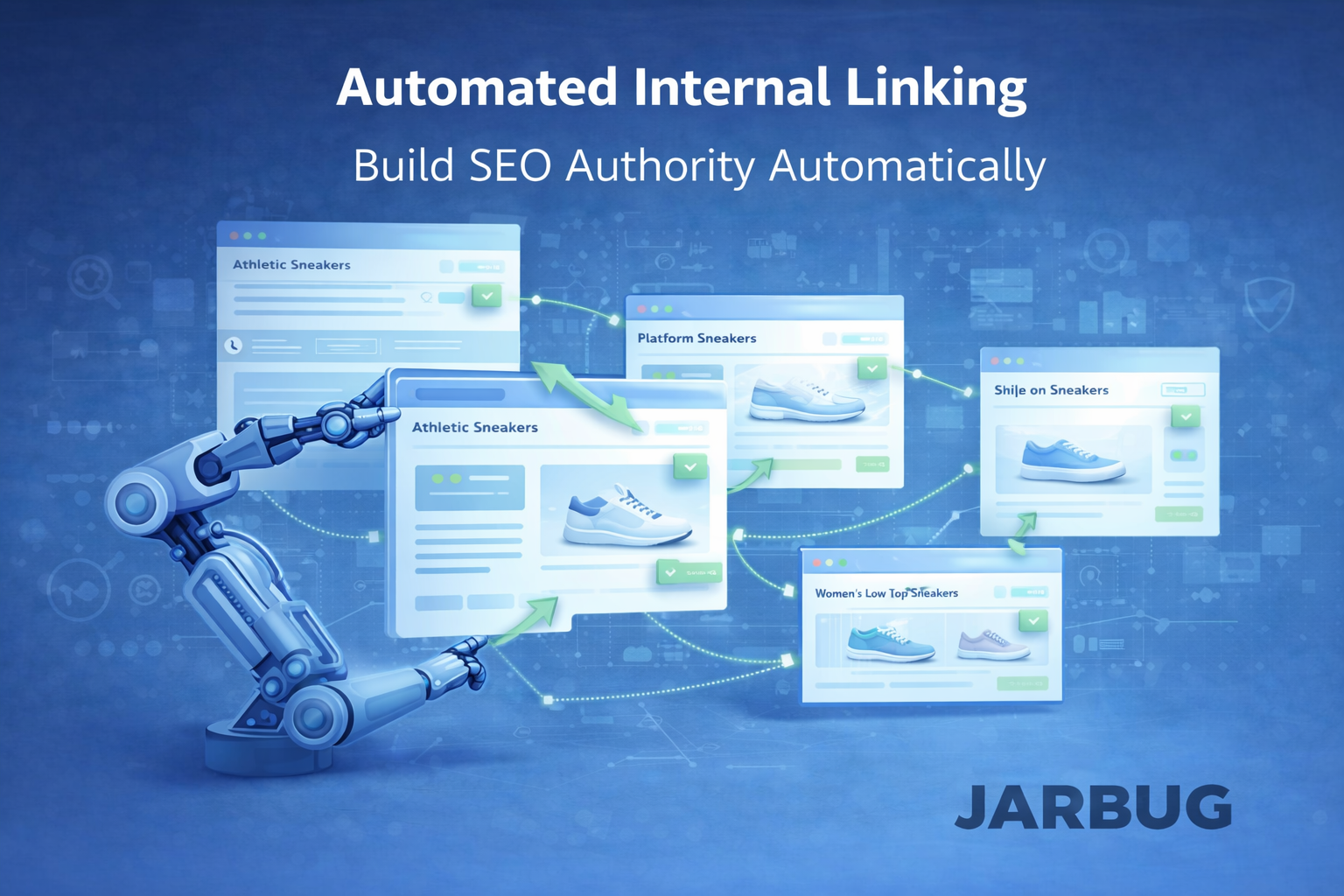
Internal Linking Updates: Site authority is improved as important pages are linked efficiently, without the need for manual intervention.
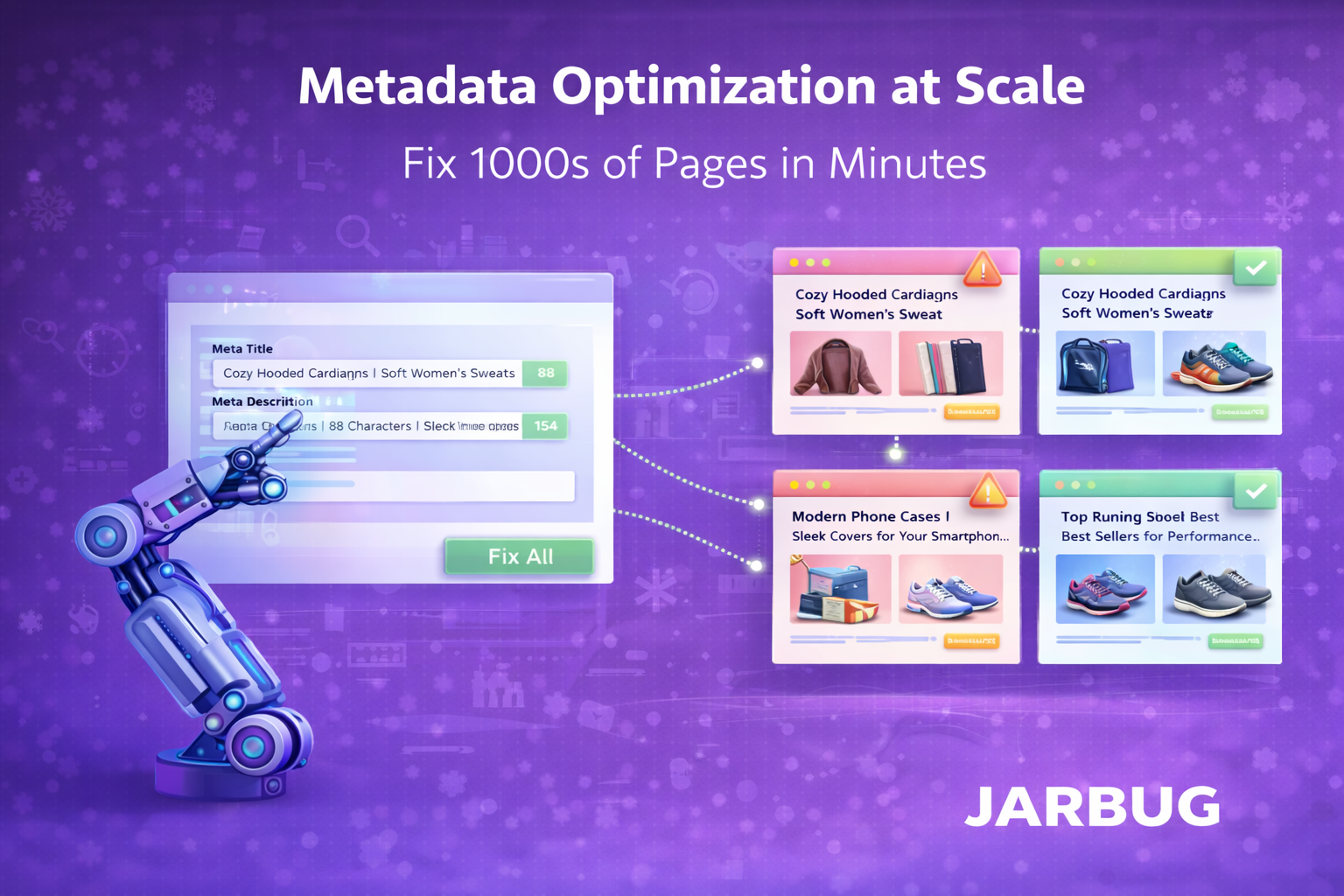
Bulk Metadata Editing: Titles, descriptions, and schema can be updated for thousands of pages at once, keeping your site up to date.
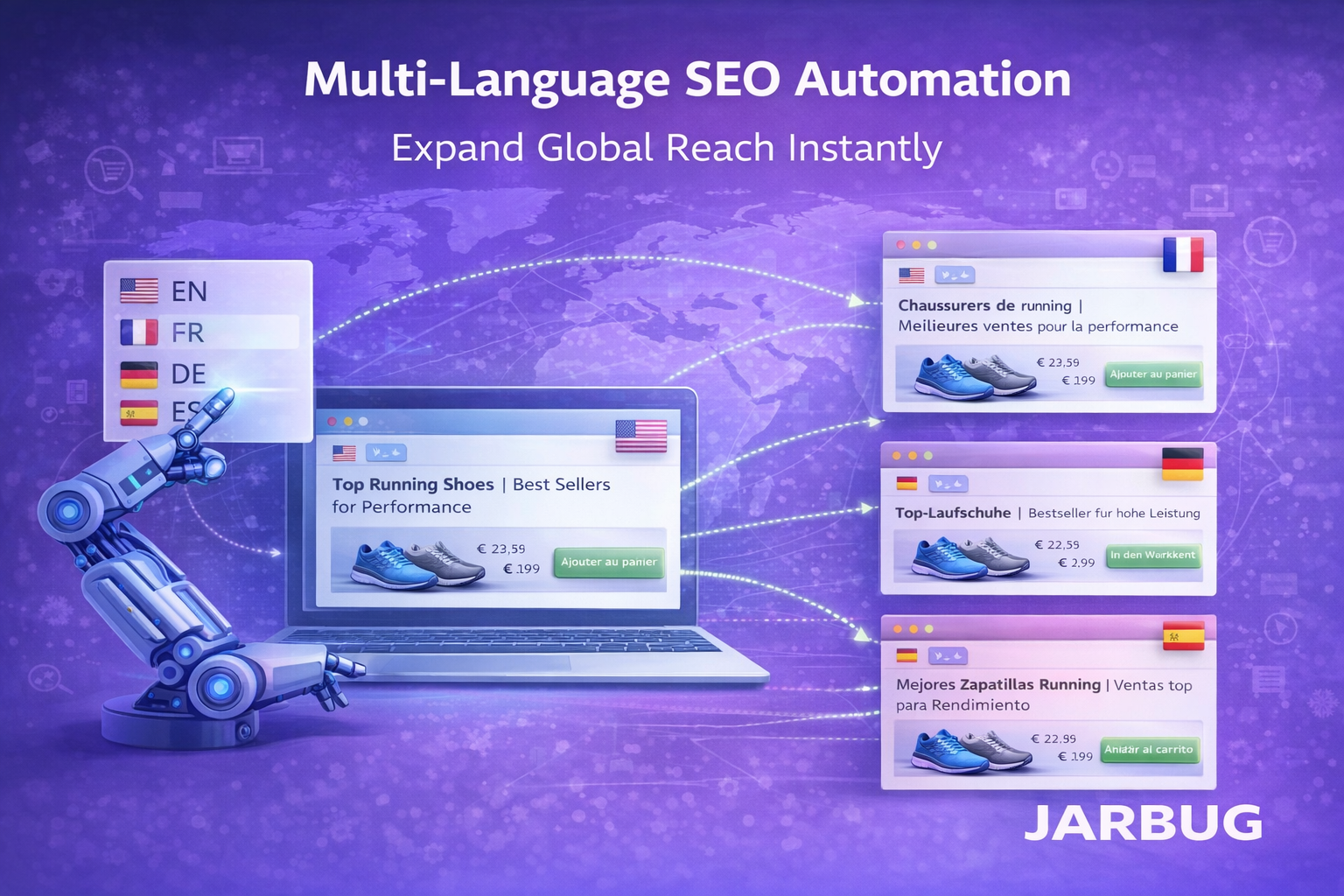
Language Support: Expand your reach by automating SEO for multiple languages, making it easier to enter new markets.
Comparing Manual SEO and Indexation Automation
Feature
Manual/Agency SEO
Indexation Automation (Jarbug)
Time to Index New Pages
Weeks or longer
Hours to a few days
Scalability
Limited by available staff
Works for any catalog size
Cost
High agency fees
Lower ongoing costs
Developer Dependency
Often needed
Rarely required
Reaching More Customers with Automated Pages
Many brands miss opportunities by not targeting specific keywords or product variations. Automation helps create and optimize pages for these terms, making your site easier to find. This approach brings in steady organic traffic and supports growth without increasing advertising costs.
Retailers in fashion, beauty, or electronics with frequent launches
Brands with seasonal or large catalogs, such as home decor and kids products
Global ecommerce teams expanding into new regions
Any company seeking to reduce agency costs and manual SEO workload
Why Automation Is Practical for Large Sites
Agency Approach
Automation (Jarbug)
Manual audits and gradual updates
Immediate changes and clear reporting
High fees, unclear outcomes
Straightforward pricing and measurable results
Often requires multiple teams
Can be managed by smaller groups
Scaling SEO Without Extra Complexity
For brands looking to grow organic sales and lower advertising spend, indexation automation for large sites is a practical step forward. It simplifies the process of making sure every page is searchable, keeps your catalog visible, and reduces the need for manual updates. Teams can focus on strategy and product development while automation handles the technical side of SEO.
About Jarbug
Jarbug supports ecommerce and D2C brands with tools that simplify SEO management. By automating indexation, internal linking, and SmartPages, Jarbug helps teams keep pace with catalog growth and market changes. Visit Jarbug
Frequently Asked Questions
What is indexation automation for large sites?
Indexation automation for large sites uses technology to help thousands of pages get discovered and indexed by search engines quickly, reducing manual work.
How does indexation automation help ecommerce brands?
Automation helps ecommerce brands make sure all product and category pages are indexed faster, bringing in more organic traffic and lowering advertising costs.
Is indexation automation better than using an SEO agency?
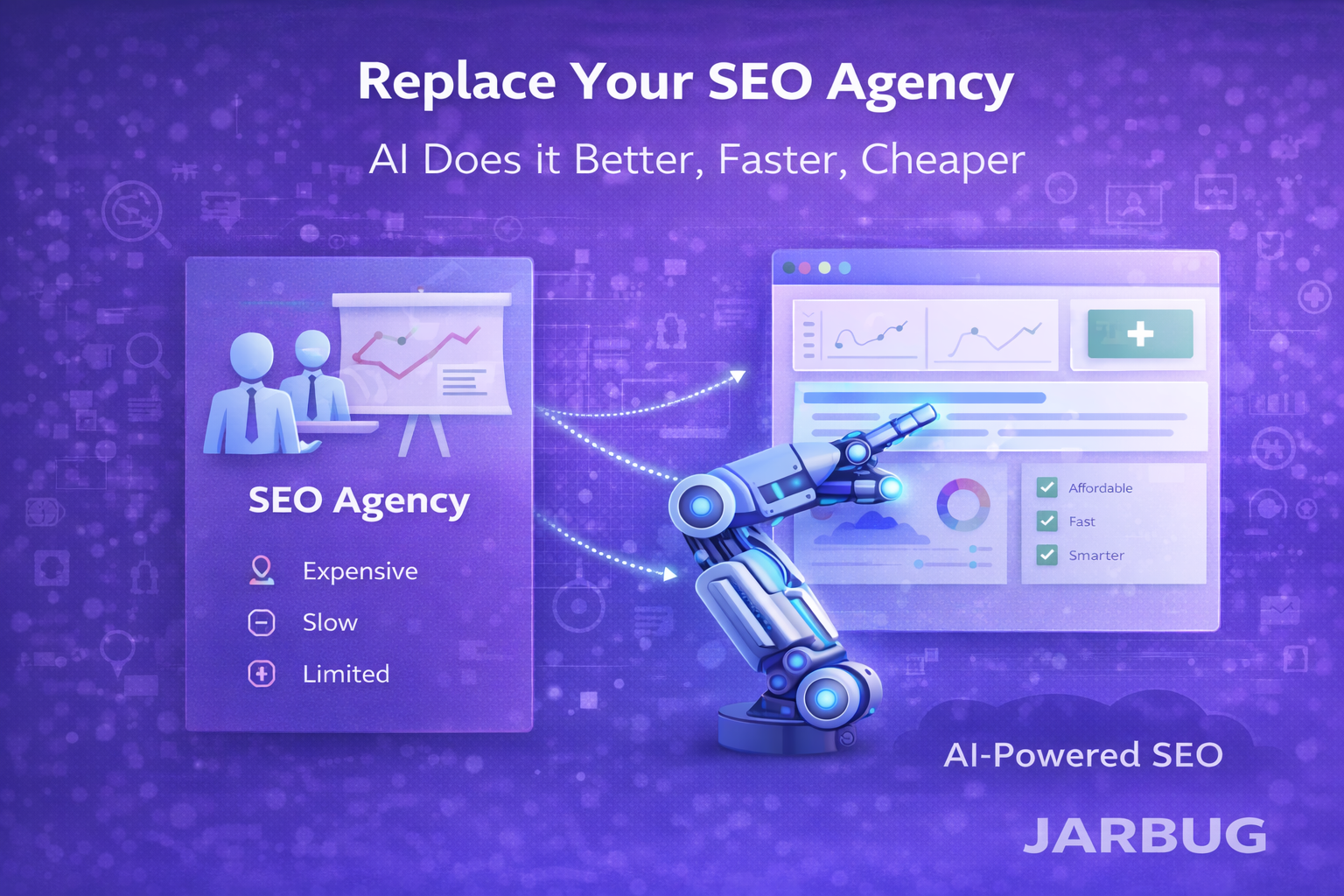
For large sites, automation is often quicker, more scalable, and less expensive than traditional SEO agencies, which rely on manual tasks.
Can indexation automation improve long-tail keyword rankings?
Yes, automation can create and optimize pages for long-tail queries, increasing visibility for specific searches that drive revenue.
Does indexation automation require a development team?
No, most automation platforms are designed to be no-code, so they do not require developer involvement and are suitable for smaller teams.
How does indexation automation impact site speed and crawl budget?
Automation can improve site structure and internal linking, helping search engines crawl efficiently and prioritize important pages.
Who should use indexation automation for large sites?
Any ecommerce, D2C, or global brand with hundreds or thousands of pages can benefit from faster, more reliable indexation and organic growth.
What features are important in indexation automation tools?
Helpful features include SmartPages, programmatic SEO, automated internal linking, bulk metadata optimization, and support for multiple languages.
How does Jarbug automate indexation for large ecommerce sites?
Jarbug uses automated workflows to generate, optimize, and link thousands of pages, speeding up indexation and helping sites grow organic traffic.
Why choose Jarbug over other SEO automation platforms?
Jarbug is designed for ecommerce and D2C brands, offering SmartPages, internal linking, and multi-language SEO at lower costs compared to agencies.