
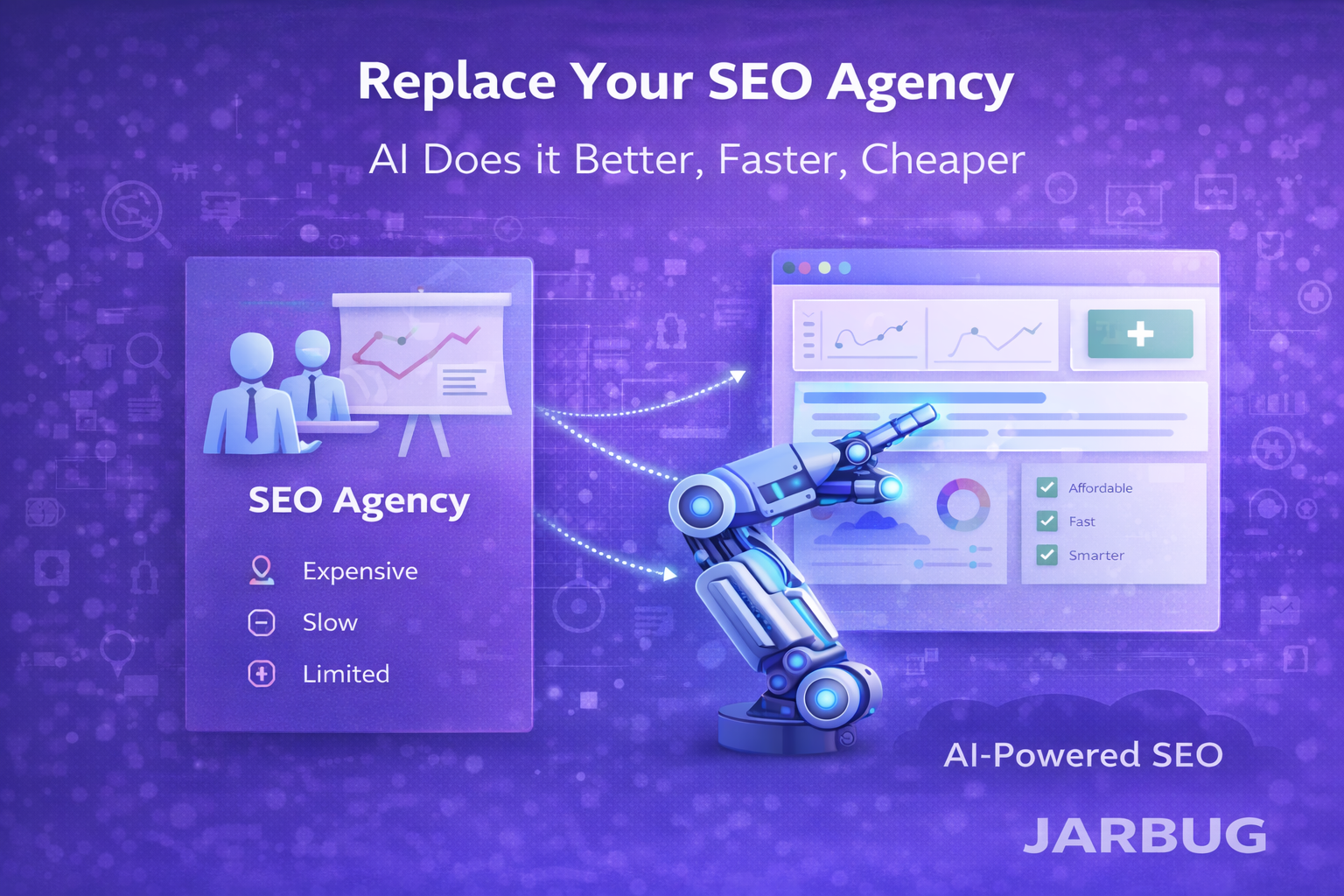
Seo vs paid ads for ecommerce
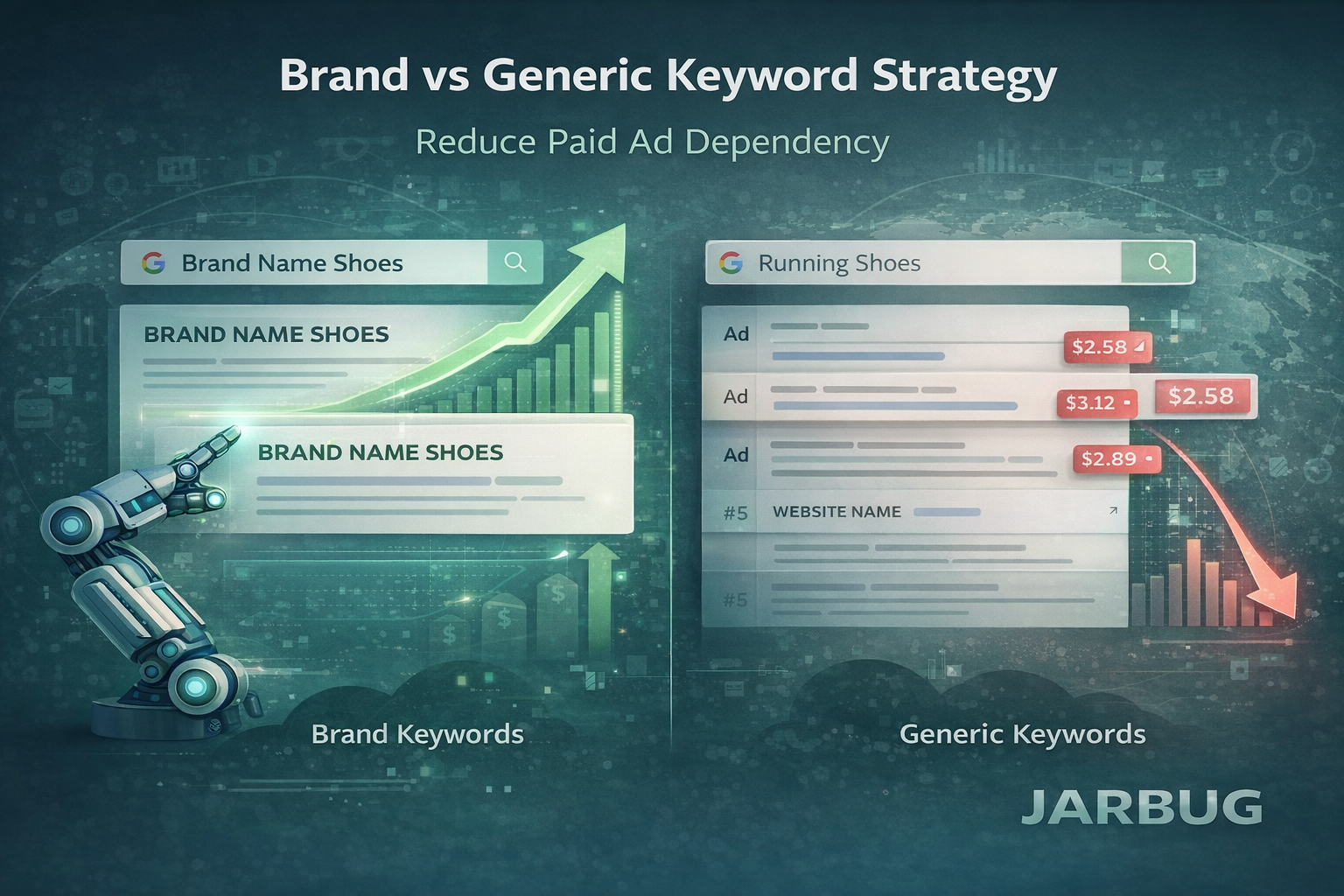
Brand vs Generic Keyword Strategy - Reduce Paid Ad Dependency
$0.00
SEO
Digital Marketing
Automation
Free Revenue Assessment - See Your Missed Organic Opportunity
$0.00
SEO
Digital Marketing
Automation
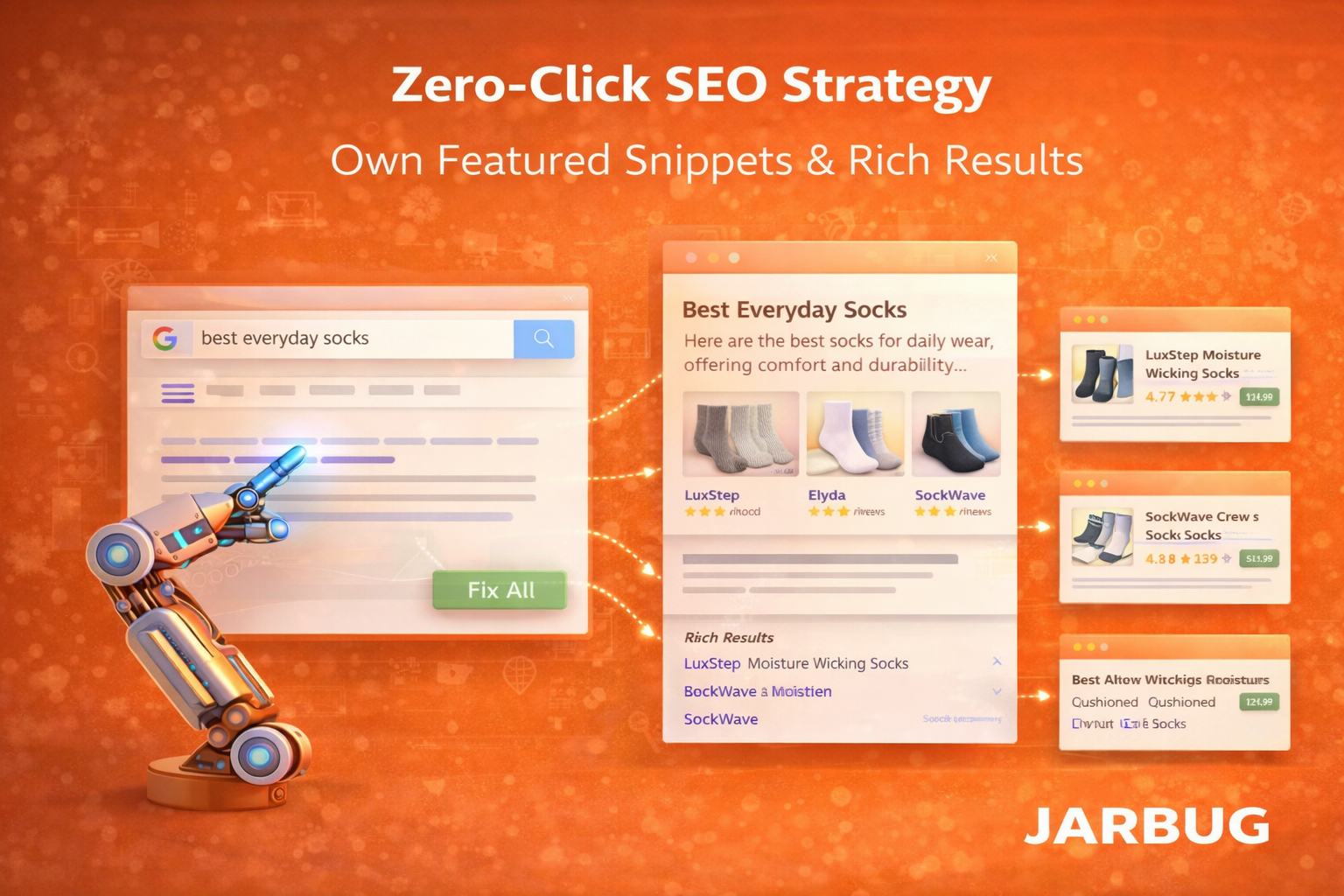
Zero-Click SEO Strategy - Own Featured Snippets & Rich Results
$0.00
SEO
Digital Marketing
Automation
Technical SEO Health Check - Free Site Audit & Recommendations
$0.00
SEO
Digital Marketing
Automation
Understanding Customer Acquisition Costs in Ecommerce
If you manage an ecommerce business, you’ve probably weighed seo vs paid ads for ecommerce more than once. Both can drive website traffic, but their impact on your bottom line is very different. Paid ads bring fast results but the cost per acquisition often rises as competition increases. SEO takes longer to show returns but can build a steady stream of organic customers. Let’s look at how these channels affect real business outcomes.
Paid Ads: Quick Traffic, Ongoing Spend
- Ads can put your products in front of shoppers instantly
- Costs rise as more brands compete for the same keywords
- Performance depends on budget and targeting
- Traffic disappears as soon as you pause campaigns
SEO: Steady Growth, Lower Acquisition Costs
- Organic traffic builds gradually and persists
- Reduces dependence on paid channels
- Targets shoppers searching for specific products or needs
- Improves brand visibility and credibility in search
| Factor | SEO | Paid Ads |
|---|---|---|
| Time to Results | Several weeks to months | Immediate |
| Cost per Acquisition (CAC) | Usually decreases over time | Often increases as spend rises |
| Scalability | High, grows as content expands | Limited by budget and ad fatigue |
| Sustainability | Lasting, ongoing impact | Stops when budget ends |
Why SEO Can Be Challenging for Ecommerce
Many ecommerce brands struggle with SEO because traditional methods are slow and require a lot of manual effort. Teams may spend months creating content, optimizing pages, and waiting for changes to take effect. Agency fees can add up quickly, and results are often hard to measure. As a result, brands sometimes give up and rely on paid ads, which seem easier but cost more in the long run.
Automated SEO: A New Approach for Ecommerce
Platforms like Jarbug make SEO more accessible by handling repetitive tasks. With automated SmartPages, brands can cover thousands of products and keywords without hiring extra staff or waiting for agencies. Internal links are set up automatically, making it easier for search engines to find and rank your pages. This approach helps ecommerce sites reach more customers and increase organic sales with less effort.
| Traditional SEO | Automated SEO with Jarbug |
|---|---|
| Content takes weeks to publish | SmartPages launch in minutes |
| Agency fees can reach thousands per month | Lower monthly costs |
| Limited keyword coverage | Covers all products and variations |
| Requires developer support | No developer needed |
Comparing Long-Term Impact: SEO vs Paid Ads for Ecommerce
Paid ads are useful for launching new products, testing offers, or driving quick sales. But over time, the cost adds up, and results can fluctuate. SEO, when done well, creates a foundation for ongoing growth. Brands that invest in organic search gain more control over their traffic and spend less on advertising. With tools like Jarbug, ecommerce sites can quickly expand their reach and see measurable improvements in sales.
- Win featured snippets and show up for popular searches
- Reach new markets, including international and seasonal shoppers
- Own more keywords relevant to your brand and products
SEO Strategies for Different Ecommerce Categories
Whether you sell apparel, electronics, home goods, or beauty products, SEO can help you connect with shoppers searching for specific items. For example, a fashion retailer might target terms like "summer dresses" or "waterproof sneakers," while a tech store could focus on "wireless headphones" or "laptop accessories." Automation allows brands to create targeted pages for every product, trend, or variation without extra manual work. This makes it easier to grow traffic and sales across all categories.
About Jarbug
Jarbug helps ecommerce brands automate SEO, making it easier to reach more customers and grow organic sales. With SmartPages and automated internal linking, Jarbug reduces manual effort and delivers results faster. Discover how Jarbug can support your growth goals. Visit Jarbug
Frequently Asked Questions
What is the main difference between SEO and paid ads for ecommerce?
SEO builds lasting organic traffic, while paid ads provide immediate but temporary traffic that stops when your budget ends.
Why do paid ads often become less cost-effective for ecommerce brands?
Costs rise as more brands compete for the same keywords, making paid ads less sustainable over time.
How does SEO impact customer acquisition cost (CAC) for ecommerce?
SEO usually lowers CAC because organic traffic is earned and continues to deliver customers without ongoing ad spend.
Can SEO and paid ads work together for ecommerce growth?
Yes, many brands use both. Paid ads can drive quick results while SEO builds a foundation for steady growth.
What are long-tail keywords and why are they important for ecommerce SEO?
Long-tail keywords are specific phrases with less competition. They attract shoppers looking for particular products and are easier to rank for.
How do internal links help ecommerce SEO performance?
Internal links connect related pages, making it easier for search engines to understand your site and helping customers discover more products.
Is manual SEO still effective for ecommerce brands?
Manual SEO can work but is slow and expensive. Automated tools now make it easier to scale and manage SEO for large ecommerce sites.
How can ecommerce brands reduce reliance on paid advertising?
By investing in SEO automation, capturing more organic keywords, and improving site structure, brands can drive more sales with less ad spend.
What makes Jarbug different from traditional SEO agencies for ecommerce?
Jarbug automates SEO tasks like SmartPage creation and internal linking, saving time and reducing costs compared to traditional agencies.
How quickly can an ecommerce brand see results using Jarbug’s platform?
Most brands see new SmartPages indexed and organic traffic improvements within weeks, much faster than manual or agency-driven SEO.
You May Also Like
switch paid ads to seo
compare seo tools for ecommerce
reduce paid ads using seo
ecommerce seo platform for sales
ai seo for ecommerce websites
buy ecommerce seo software
ecommerce seo tools comparison
seo for electronics ecommerce
ecommerce seo for clothing shops
seo for fashion ecommerce brands
buy seo automation for ecommerce
enterprise seo solution for ecommerce
purchase seo service for ecommerce
ai seo for fashion ecommerce
buy seo software for agencies
buy ecommerce seo tools