
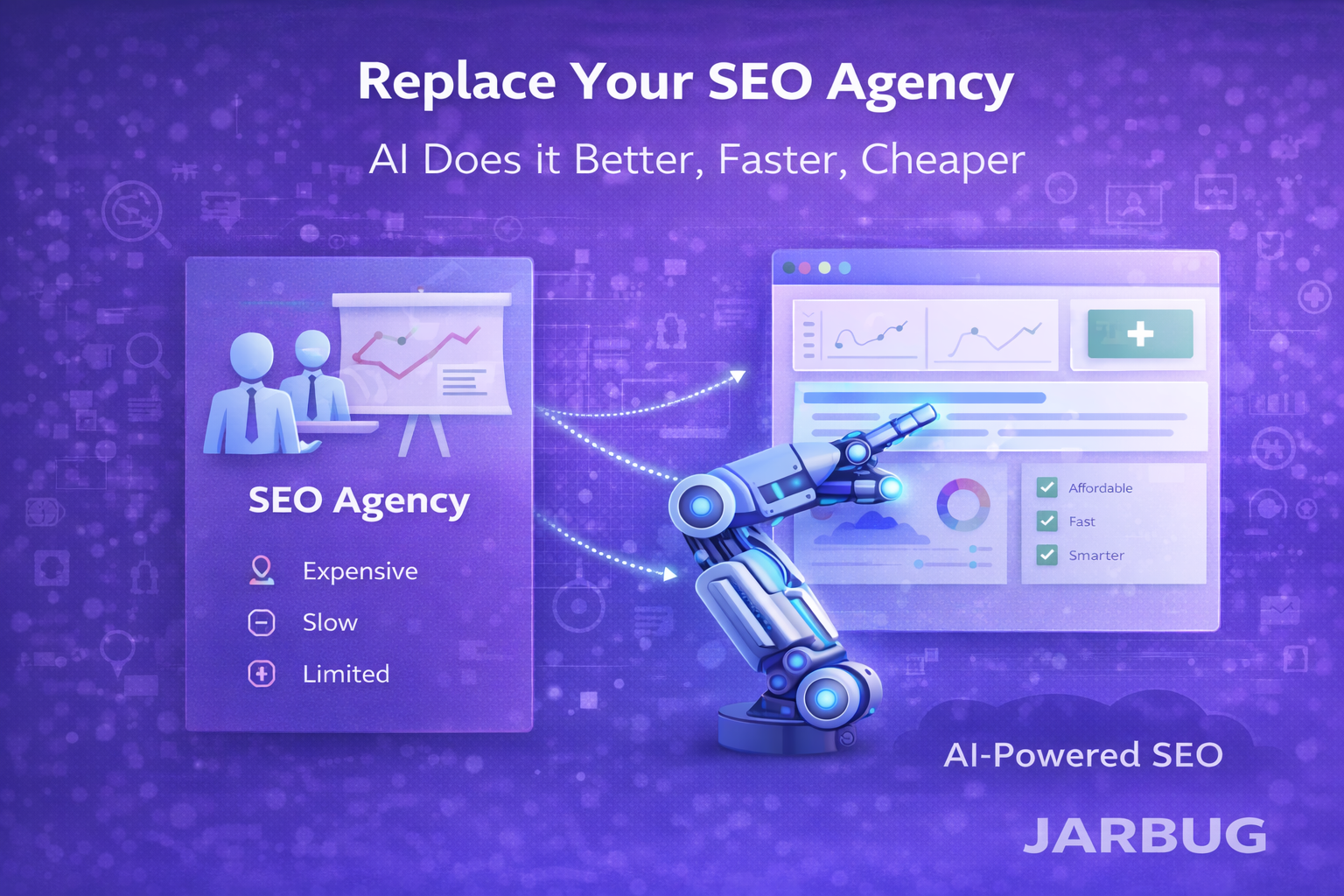
Switch paid ads to seo
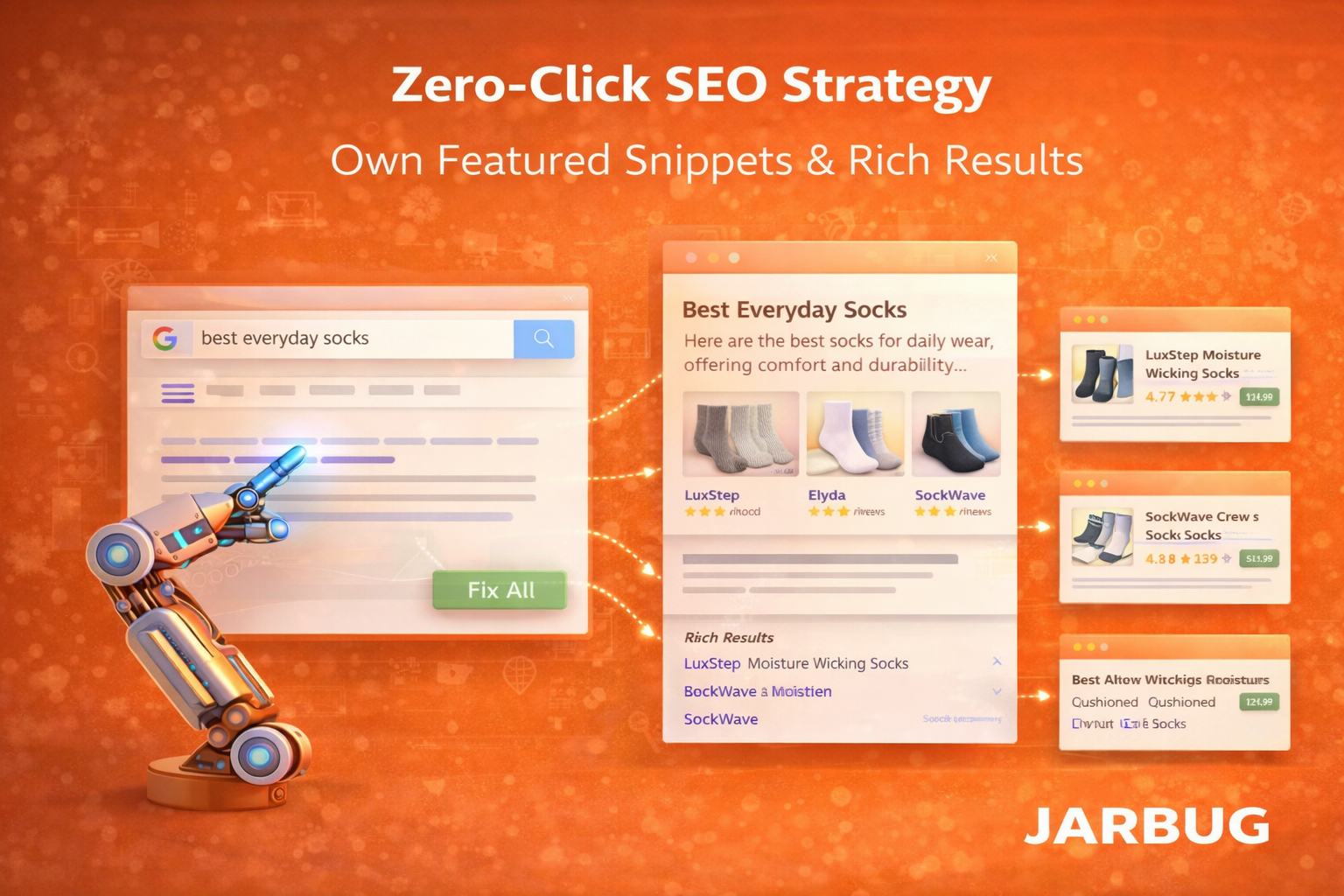
Zero-Click SEO Strategy - Own Featured Snippets & Rich Results
$0.00
SEO
Digital Marketing
Automation
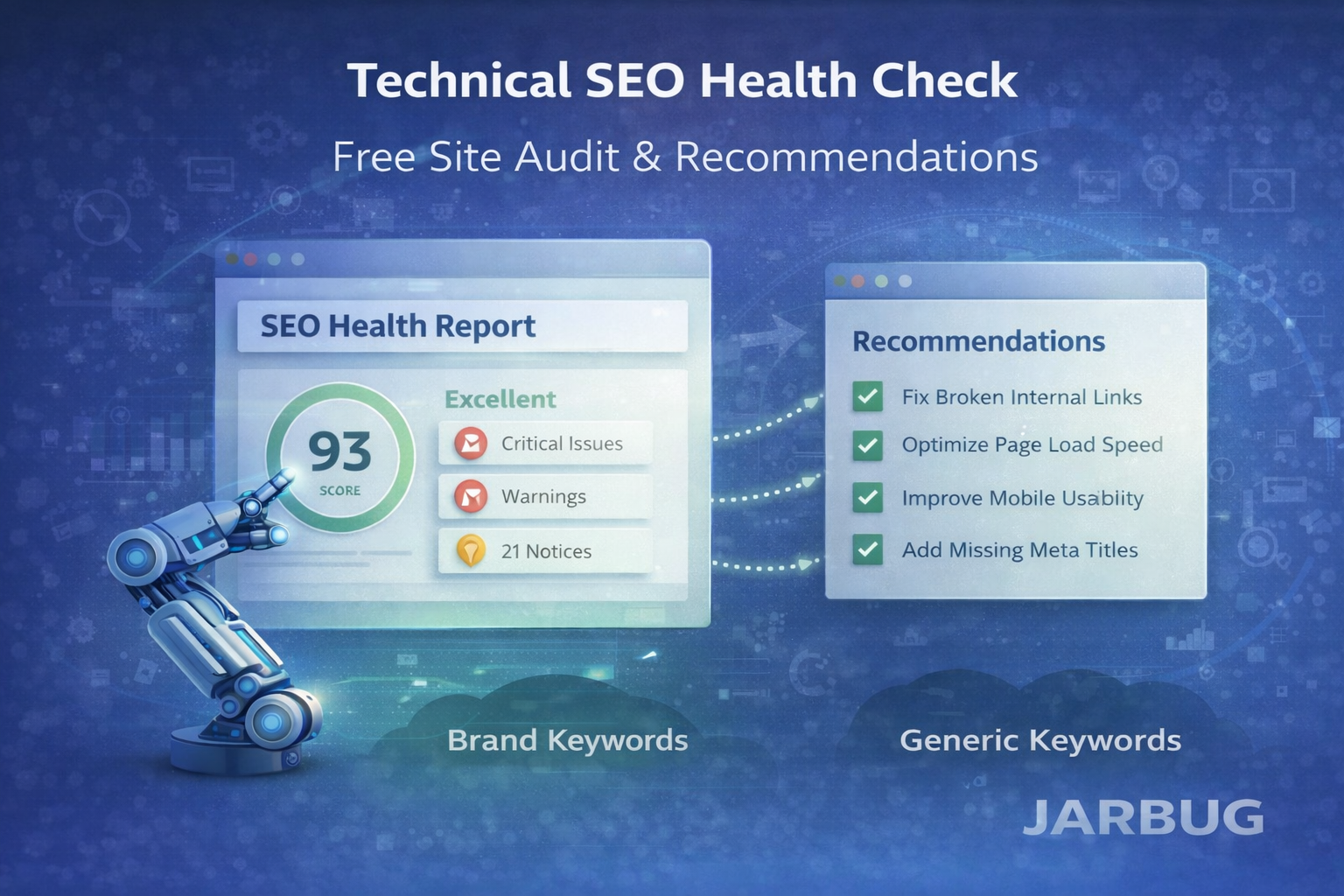
Technical SEO Health Check - Free Site Audit & Recommendations
$0.00
SEO
Digital Marketing
Automation
Free Revenue Assessment - See Your Missed Organic Opportunity
$0.00
SEO
Digital Marketing
Automation
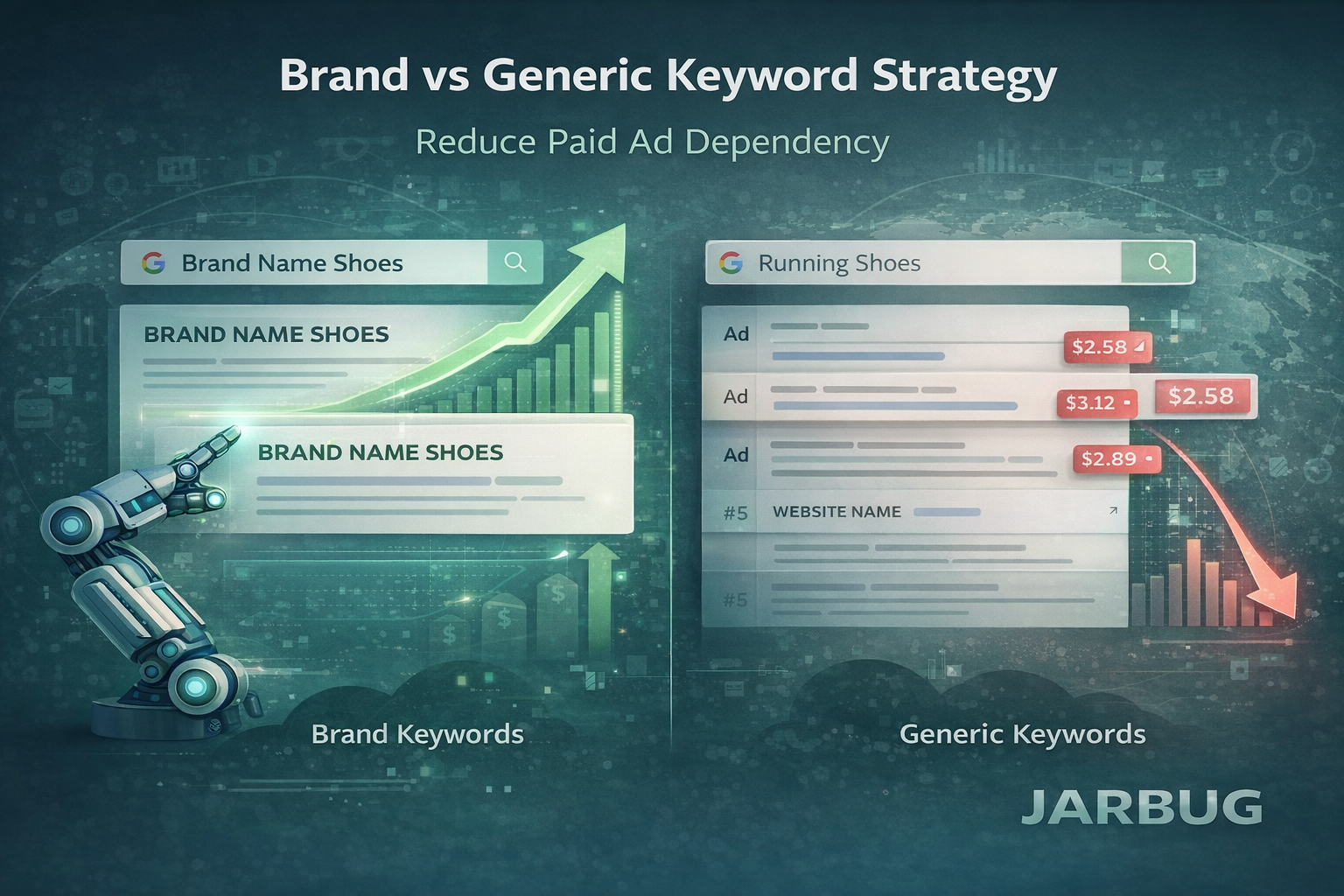
Brand vs Generic Keyword Strategy - Reduce Paid Ad Dependency
$0.00
SEO
Digital Marketing
Automation
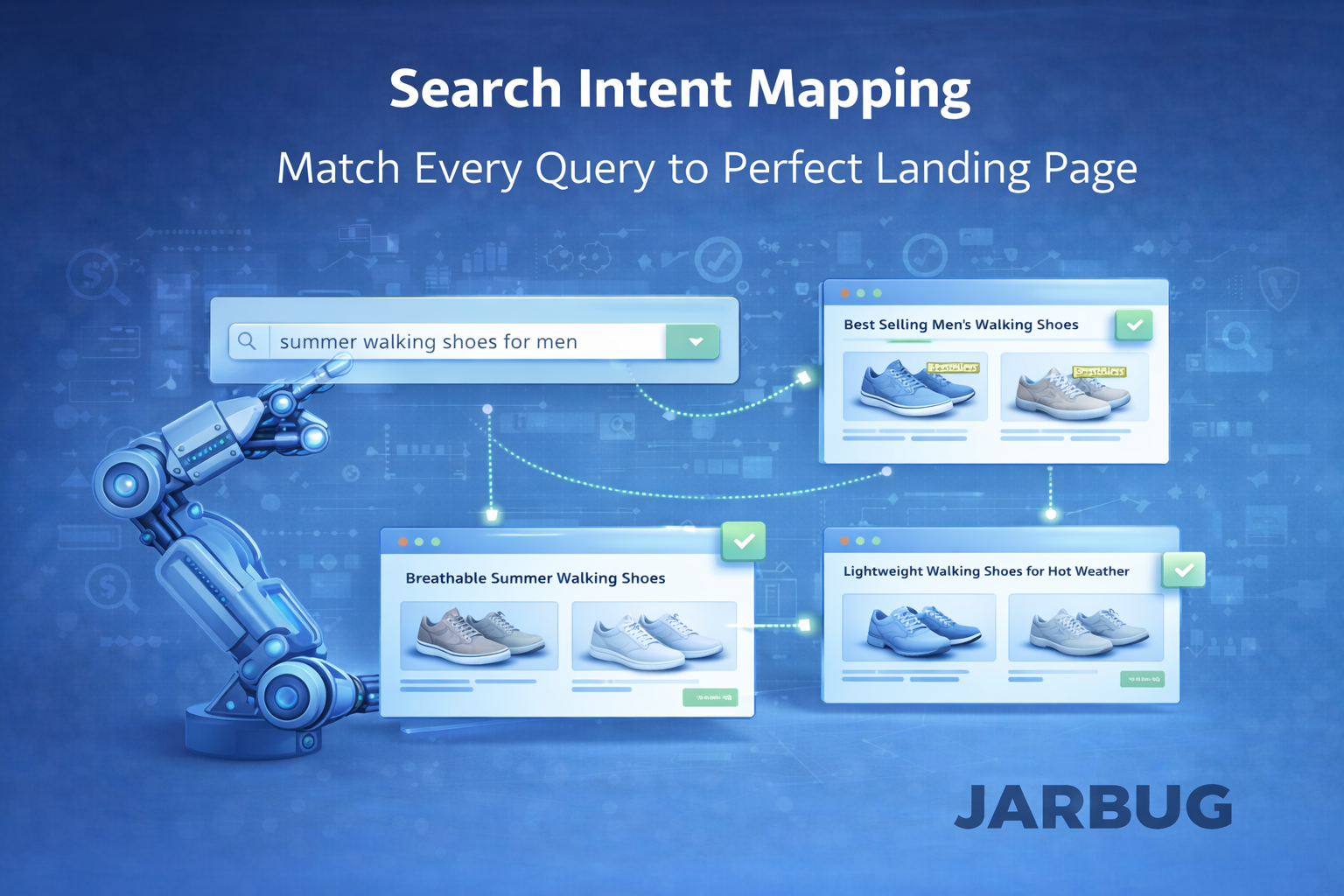
Search Intent Mapping - Match Every Query to Perfect Landing Page
$0.00
SEO
Digital Marketing
Automation
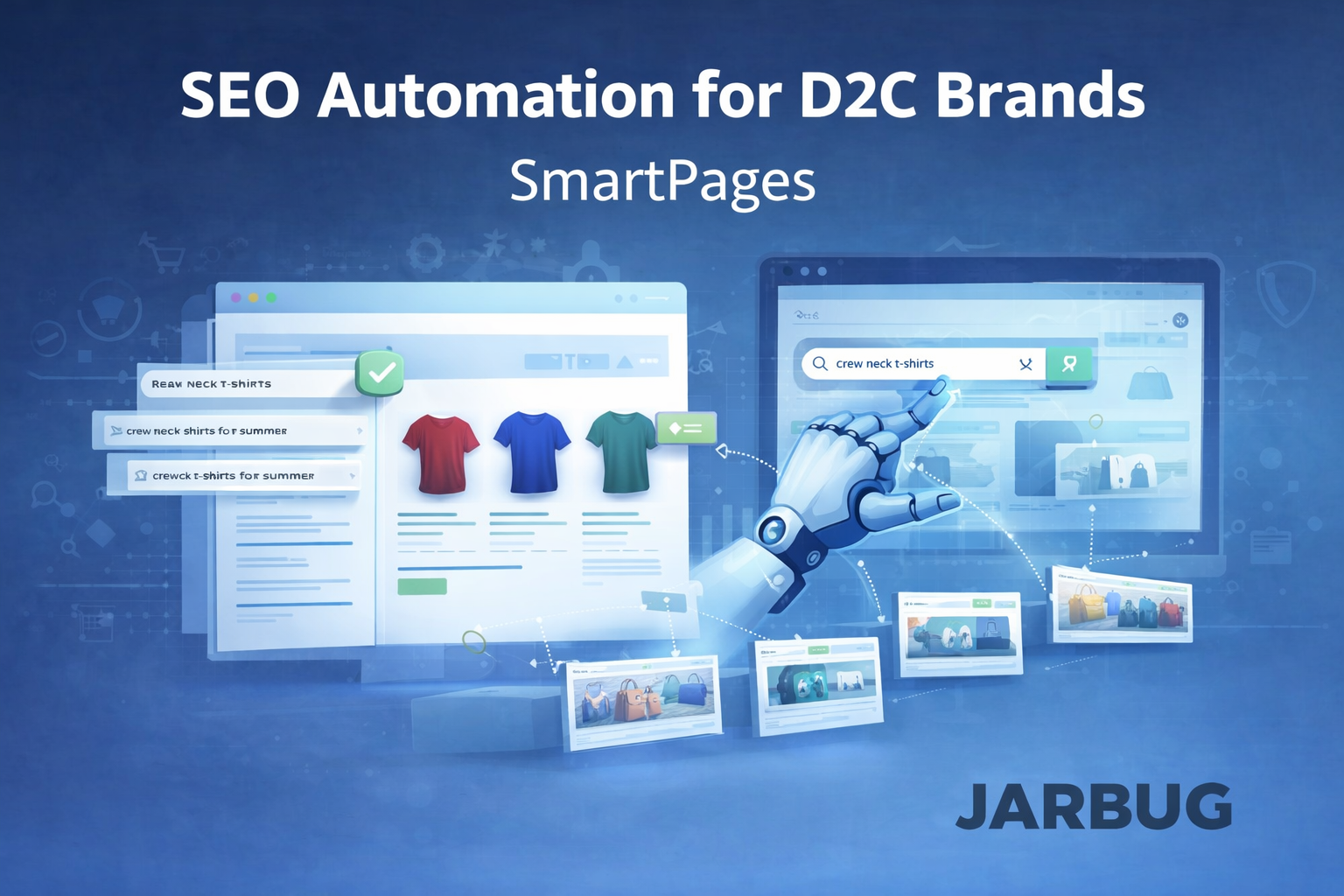
Why More Brands Are Switching Paid Ads to SEO
If you're considering moving your budget from paid ads to SEO, you're in good company. Many ecommerce brands in fashion, beauty, electronics, and home decor are feeling the strain of rising ad costs and unpredictable returns from platforms like Google Ads and Meta. Paid advertising can quickly drain budgets and often leads to short-term results. SEO, on the other hand, builds a foundation for ongoing traffic and growth. By focusing on organic search, you can attract customers who are actively looking for your products, all without paying for every click.
Paid Ads vs SEO: What Really Changes?
Paid ads offer quick visibility, but once you stop spending, the traffic disappears. SEO works differently. When your site ranks for important keywords, you continue to get visitors month after month. This steady stream of organic traffic helps you lower your customer acquisition costs and gives your brand more control over its growth. With tools like Jarbug, you can create targeted landing pages for every product and keyword, making your site more discoverable for shoppers searching online.
Comparing Paid Ads and SEO for Ecommerce
| Factor | Paid Ads | SEO with Jarbug |
|---|---|---|
| Cost per Acquisition | High, fluctuates | Lower, more consistent |
| Scalability | Tied to budget | Grows with content |
| ROI | Short-lived | Builds over time |
| Control | Depends on ad platforms | Owned web assets |
How to Switch Paid Ads to SEO Without Disrupting Sales
Making the transition from paid ads to SEO doesn't mean you have to risk your sales or traffic. The key is to gradually build out your site so that every customer intent is matched with a relevant page. Jarbug helps brands automate the creation of landing pages for thousands of keywords, covering every niche and product variation. By linking related pages together and keeping your site technically sound, you improve your chances of ranking and attracting more buyers. You can also optimize your content to answer common questions, which helps your site appear in featured results on Google. This way, shoppers find your products even when they don't click through ads.
Traditional SEO Agencies vs Automated SEO Platforms
| Workflow | Traditional SEO Agency | Jarbug Automation |
|---|---|---|
| Speed | Weeks or months | Much faster |
| Cost | High, recurring fees | Lower, predictable |
| Scalability | Limited by manual work | Easily expands |
| Developer Dependency | Often required | Not needed |
Steps to Move from Paid Ads to SEO
- Review your ad spend and find which keywords are driving the most conversions
- Assess where your site could rank organically for those keywords
- Create targeted landing pages for each product, category, and keyword
- Set up internal links between related pages to strengthen your site
- Track your organic traffic and see how your acquisition costs change over time
Industries Seeing Quick Results with SEO
Fashion, beauty, electronics, kids, and home brands are seeing strong growth in organic traffic within weeks of shifting focus from paid ads to SEO. Stores with a global reach benefit from multi-language support and local keyword targeting. If you're ready to move away from unpredictable ad costs, switching to SEO with a platform like Jarbug offers a reliable path to steady sales and lower expenses.
About Jarbug
Jarbug helps ecommerce and D2C brands grow with automated SEO tools designed for scale. Build landing pages, connect your products, and manage SEO without hiring extra teams. Visit Jarbug
Frequently Asked Questions
What does it mean to switch paid ads to SEO?
Switching paid ads to SEO means shifting your marketing budget from paid platforms like Google Ads to building organic search traffic through your website.
How does SEO help reduce customer acquisition costs?
SEO brings in visitors without paying for each click, so your cost per customer goes down over time compared to ongoing ad spend.
Is SEO more scalable than paid advertising?
SEO can scale as your site grows, letting you target more keywords and reach more shoppers, while paid ads are limited by your budget.
How long does it take to see results after switching from paid ads to SEO?
Most brands notice an increase in organic traffic within several weeks, but the biggest gains build up over months as your site ranks for more keywords.
Can ecommerce brands rely only on SEO for growth?
Many ecommerce brands use SEO as their main growth channel, especially when they create pages for every product and optimize for long-tail searches.
What risks should I consider when moving from paid ads to SEO?
The main risk is losing instant traffic, but by creating relevant pages and answering customer questions, you can quickly replace paid visitors with organic ones.
How does internal linking help my SEO strategy?
Internal linking connects related pages and helps search engines understand your site, which improves rankings and makes it easier for shoppers to find products.
What are featured snippets and how do they help?
Featured snippets are short answers that appear at the top of Google results. By providing clear information, your site can be selected for these spots and attract more visitors.
How is Jarbug different from a traditional SEO agency?
Jarbug automates many SEO tasks, allowing brands to build and optimize pages quickly without hiring agencies or extra staff.
Can Jarbug help my ecommerce brand move away from paid ads?
Yes, Jarbug's platform creates targeted landing pages and improves site structure, helping you capture more organic traffic and reduce your reliance on paid ads.
You May Also Like
reduce paid ads using seo
seo vs paid ads for ecommerce
reduce paid ads with seo automation
purchase seo solution for electronics
buy seo software for agencies
seo platform for ad budget
seo platform for direct sales
buy seo software for electronics
seo services for electronics retailers
seo software to lower ad spend
purchase seo platform for websites
purchase seo service for ecommerce
buy seo platform for shop
seo solution for retail websites
buy ecommerce seo software
seo tools for direct sales